The Best Argentinian Wines to Try in Mendoza
Start with Malbec, then taste Cabernet Franc, Bonarda, high-altitude Chardonnay, Semillón and Mendoza sparkling wine: what each tastes like and where to find it.
For many travellers, Mendoza wine begins and ends with Malbec.
That makes sense. Malbec is Argentina’s signature red grape, and Mendoza is the country’s most famous wine region.
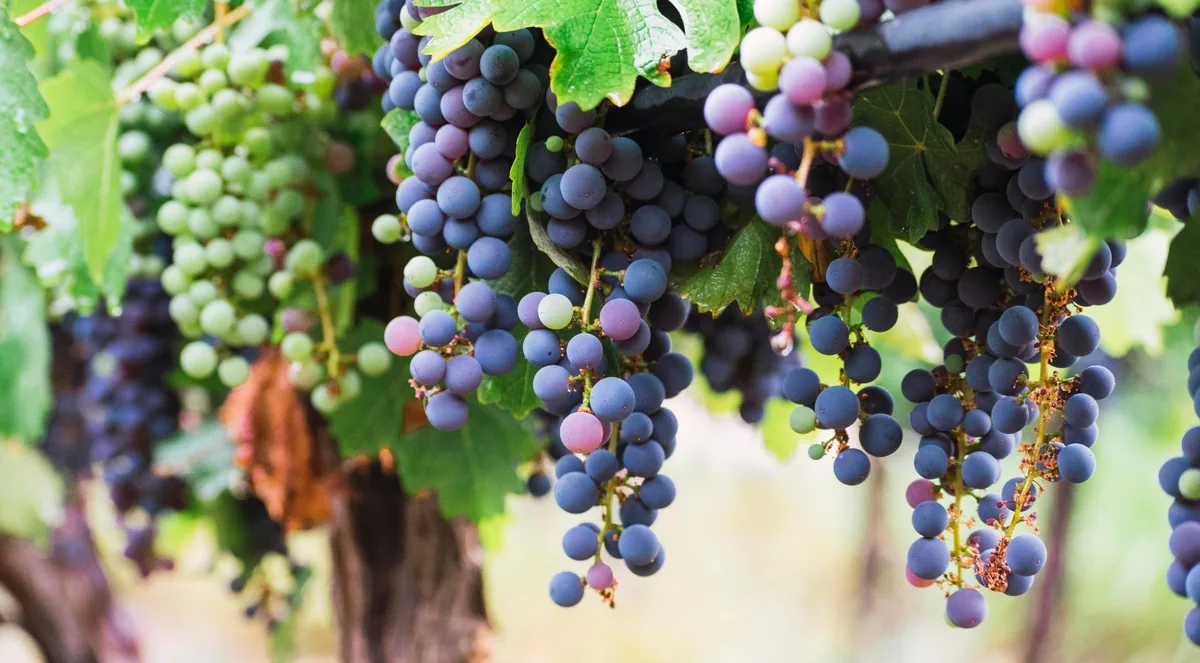
But spend a few days visiting wineries and you soon notice that the most interesting tastings are rarely the ones where every glass is another version of the same thing. One afternoon of contrasting pours shows you that faster than any list, and if you already have a date, the checker below covers exactly that kind of afternoon.
Check Availability
What Mendoza Pours Besides Malbec
Mendoza produces far more than Malbec. Depending on the winery and the vineyard site, you may come across:
- Cabernet Franc
- Cabernet Sauvignon
- Bonarda
- Chardonnay
- Pinot Noir
- Sauvignon Blanc
- Semillón
- sparkling wine
- red blends
- white blends
- rosé
- late-harvest and dessert wines
The best way to understand Argentine wine is not to search for one “best bottle”. Taste across grape varieties, elevations and regions instead.
This guide covers the best Argentinian wines to try while visiting Mendoza, with a focus on the styles you are likely to meet at winery tastings and in restaurants.
Quick Guide: Wines to Try in Mendoza
| Wine | Why try it | Best for |
|---|---|---|
| Malbec | Argentina’s flagship red | First-time visitors |
| Cabernet Franc | Fresh, aromatic and increasingly important | Wine lovers |
| Cabernet Sauvignon | Structured and classic | Full-bodied red drinkers |
| Bonarda | Juicy, approachable and distinctly Argentine | Something different |
| Chardonnay | High-altitude versions can be excellent | White wine drinkers |
| Pinot Noir | A fresher style from cooler sites | Lighter red drinkers |
| Semillón | A historic grape with a revival in Mendoza | Curious drinkers |
| Sparkling wine | Mendoza has a long sparkling tradition | Aperitif or lunch |
| Red blends | Show how local varieties work together | Serious tastings |
If you have only one day of wine tasting, try to taste at least three different grape varieties, not only Malbec.
1. Malbec
Malbec is the obvious place to start. It is the grape most closely associated with Argentina internationally, and the variety you will see again and again across Mendoza.
But “Malbec” is not one fixed style. Depending on where the grapes are grown, Mendoza Malbec can be:
- soft and fruit-forward
- floral and fresh
- dark and powerful
- savoury and structured
- mineral and restrained
- heavily oaked
- almost entirely fruit-driven
Typical flavours may include:
- plum
- blackberry
- black cherry
- violet
- spice
- cocoa
- tobacco
- herbs
The most interesting tastings compare Malbec from different vineyard areas. A wine from Luján de Cuyo may feel different from one grown in Gualtallary or Paraje Altamira, and that comparison teaches you more than ordering the most expensive Malbec on the list. Our Malbec guide goes into what the grape tastes like and why Mendoza suits it.
Best places to explore Malbec
Look especially for wines from:
- Luján de Cuyo
- Agrelo
- Las Compuertas
- Gualtallary
- Los Chacayes
- Paraje Altamira
Who should try it? Everyone visiting Mendoza. Even if you do not usually drink Malbec, taste a few local styles before you decide whether you like the grape.
2. Cabernet Franc
If Malbec is Mendoza’s established star, Cabernet Franc is one of the most exciting grapes to watch. It has become steadily more important in premium Argentine wine over the last several years.
Cabernet Franc can offer:
- red cherry
- blackberry
- herbs
- pepper
- graphite
- floral notes
- fresh acidity
In Mendoza, especially in the Uco Valley, it often combines ripeness with freshness, which makes it a useful contrast to Malbec. Where Malbec can feel round and plush, Cabernet Franc may feel more aromatic, savoury and structured.
Where to look for Cabernet Franc
It is especially good from:
- Gualtallary
- Los Chacayes
- Paraje Altamira
- other high-altitude Uco Valley sites
Some wineries bottle it on its own; others use it in blends with Malbec or Cabernet Sauvignon. Our Uco Valley wine guide covers those subregions and the wineries in them.
Who should try it? Anyone who already knows Malbec and wants something more distinctive. For wine-focused travellers, Cabernet Franc belongs near the top of the list.
3. Cabernet Sauvignon
Cabernet Sauvignon has a long history in Mendoza and remains one of the region’s most important red varieties.
It can be more structured than Malbec, with firmer tannins and flavours such as:
- blackcurrant
- black cherry
- cedar
- tobacco
- herbs
- spice
Some Mendoza Cabernet Sauvignon is rich and ripe. Other examples, especially from cooler or higher vineyards, are fresher and more restrained. It also turns up in many red blends.
Why try it in Mendoza?
Cabernet Sauvignon gives you a reference point. Many travellers already know the grape from Bordeaux, California, Chile or Australia, and tasting a Mendoza version shows what the local climate and altitude bring to a familiar variety.
Who should try it? Drinkers who enjoy structured reds, and anyone who wants a useful comparison with Malbec.
4. Bonarda
Bonarda is one of Argentina’s most important red grapes, though international visitors usually know far less about it than Malbec.
Argentine Bonarda is generally associated with Douce Noir, not with the Italian grapes that can also carry the Bonarda name.
It often makes wines that are:
- juicy
- fruity
- soft
- easy to drink
- relatively fresh
Typical flavours can include:
- cherry
- plum
- blackberry
- herbs
- gentle spice
Bonarda ranges from simple everyday wine to more serious old-vine bottlings.
Why is Bonarda worth trying?
Because it feels local. Malbec may be Argentina’s international calling card, but Bonarda shows you another side of Argentine red wine culture. It is also a good choice for people who find heavily tannic reds tiring.
Who should try it? Travellers who want something less obvious, and drinkers who prefer softer, fruit-driven reds.
5. Chardonnay
Mendoza is not only red-wine country. Some of its most interesting whites come from high-altitude Chardonnay vineyards. Our Mendoza Chardonnay guide goes further into where they grow and how the styles differ.
Depending on the style, Mendoza Chardonnay can show:
- citrus
- green apple
- pear
- white peach
- stone fruit
- mineral notes
- butter or toast in oak-aged versions
The Uco Valley is particularly important for it. Cool nights at higher elevations help preserve acidity, which balanced Chardonnay depends on.
Oaked vs unoaked Chardonnay
You may taste both.
Unoaked or lightly oaked Chardonnay is usually:
- fresher
- more citrus-driven
- lighter
- more mineral
Barrel-aged Chardonnay is usually:
- richer
- creamier
- more textured
- sometimes marked by vanilla or toast
Who should try it? White wine drinkers, and anyone who assumes Mendoza is only about red wine.
6. Pinot Noir
Pinot Noir is far less common than Malbec, but it can be very interesting from cooler Mendoza vineyard sites, where altitude helps it keep its freshness.
Styles may show:
- red cherry
- strawberry
- raspberry
- floral notes
- earth
- subtle spice
Mendoza Pinot Noir is usually lighter in body than Malbec or Cabernet Sauvignon, which makes it a refreshing change in a day of powerful reds.
Where to look
Cooler sites in the Uco Valley are among the most promising areas.
Who should try it? Drinkers who prefer lighter reds, and anyone who wants a break from heavier tasting flights.
7. Semillón
Semillón has a long history in Argentina but is less familiar to most international visitors. For years it received little attention next to Malbec and Chardonnay.
More recently, some producers have begun working seriously with old Semillón vineyards and giving the grape a new identity.
Depending on style, it can show:
- lemon
- pear
- herbs
- a waxy texture
- floral notes
- a subtle honeyed character with age
It can be made fresh and light, or more textured and complex.
Why try it?
Because it represents a part of Argentine wine history that is easy to overlook. If you enjoy unusual white varieties, ask whether the winery makes one.
Who should try it? Curious drinkers, and anyone interested in lesser-known historic varieties.
8. Sauvignon Blanc
Sauvignon Blanc is not the first grape people associate with Mendoza, but high-altitude vineyards can produce lively, aromatic styles.
Expect possible notes of:
- citrus
- grapefruit
- herbs
- green fruit
- tropical fruit
- a mineral character
The best examples are very refreshing, particularly at lunchtime or in the warmer months.
Who should try it? Anyone looking for a crisp white during a long tasting day.
9. Sparkling Wine
Mendoza has a significant tradition of sparkling wine. You may come across sparkling wines made from:
- Chardonnay
- Pinot Noir
- blends
Styles range from easy-drinking aperitif wines to more complex traditional-method wines aged for longer.
Sparkling wine commonly appears as:
- a welcome drink
- an aperitif
- part of a winery lunch
- a tasting experience of its own
Why try it?
Because it widens the picture of Mendoza. A day that starts with sparkling wine and moves through white, red and dessert styles is far more enjoyable than six powerful reds in a row.
Our pick: the Bodega Chandon sparkling wine visit with a private transfer takes you to Chandon in Luján de Cuyo for a vineyard walk, the underground cellars and a tasting, at $130 per person. It has 2 reviews so far, both five stars, which is too few to judge it on.
Who should try it? Almost everyone, and particularly people planning a winery lunch.
10. Red Blends
Some of the most interesting wines in Mendoza are blends. Common components include:
- Malbec
- Cabernet Sauvignon
- Cabernet Franc
- Merlot
- Petit Verdot
Blending lets the winemaker combine different characteristics. For example:
- Malbec can add fruit and softness
- Cabernet Sauvignon can add structure
- Cabernet Franc can add aroma and freshness
- Petit Verdot can add colour and intensity
Premium red blends can be among the most serious wines you taste in Mendoza.
Why try them?
They show that Argentine wine is not only single-variety Malbec, and how different grapes behave in the same region.
Who should try them? Wine lovers, and travellers who enjoy comparing individual components with the finished blend.
What Is the Best Argentinian Red Wine to Try?
If you want one answer, start with Malbec. Then keep going.
A strong red tasting in Mendoza might include:
- Bonarda
- Malbec
- Cabernet Franc
- Cabernet Sauvignon
- a premium red blend
That sequence gives you a far broader picture of Argentine wine than five different Malbecs from the same producer.
What Is the Best Argentinian White Wine to Try?
In Mendoza, Chardonnay is the safest starting point. High-altitude Chardonnay can be excellent and is widely poured.
After that, look for:
- Semillón
- Sauvignon Blanc
- white blends
If you see a small-production white from a high-altitude vineyard, try it even if the grape is unfamiliar.
Mendoza Malbec vs Uco Valley Malbec
This distinction confuses people, because the Uco Valley is itself part of Mendoza.
When someone says “Mendoza Malbec”, they may mean the province as a whole. “Uco Valley Malbec” is more specific.
Broad Mendoza Malbec
Can come from many vineyard areas and covers a huge range of styles.
Uco Valley Malbec
Often associated with:
- higher elevation
- fresher acidity
- floral character
- firmer structure
- more emphasis on vineyard origin
That does not make Uco Valley Malbec always better. It is just more specific.
Luján de Cuyo Malbec vs Uco Valley Malbec
This is one of the most useful comparisons to make on a Mendoza trip.
Luján de Cuyo Malbec
Often associated with:
- ripe dark fruit
- a round texture
- plushness
- classic Mendoza character
Uco Valley Malbec
Often associated with:
- freshness
- flowers
- herbs
- mineral notes
- firmer structure
These are broad tendencies, not rules. Producer style and individual vineyard conditions still matter enormously.
What Is “High-Altitude Wine”?
You will hear the phrase constantly in Mendoza. It refers to grapes grown at elevated vineyard sites, often well above the altitudes of many famous wine regions.
In Mendoza, higher elevation can bring:
- cooler nights
- stronger sunlight
- slower ripening
- better retention of acidity
- thicker grape skins
The result can be wines that are both ripe and fresh.
Altitude is not a guarantee of quality, though. A high vineyard does not automatically make better wine: soil, vineyard management, grape variety and winemaking remain crucial.
Which Mendoza Wine Region Produces the Best Wine?
There is no single winner.
Luján de Cuyo
Strong for:
- classic Malbec
- Cabernet Sauvignon
- established producers
- mature vineyards
Maipú
Strong for:
- historic wine styles
- Bonarda
- Malbec
- traditional producers
Uco Valley
Strong for:
- high-altitude Malbec
- Cabernet Franc
- Chardonnay
- Pinot Noir
- terroir-focused wines
The best strategy is to taste in more than one area. Our three regions compared sets them side by side on distance, altitude and price.
Best Wines to Try at a Winery Tasting
If the tasting menu gives you choices, go for variety. A good flight might include:
1. Sparkling wine
A fresh start.
2. Chardonnay or Semillón
The white-wine side of Mendoza.
3. Bonarda
A softer local red.
4. Malbec
The essential reference point.
5. Cabernet Franc
A more aromatic, structured contrast.
6. Red blend
How the winery combines varieties.
That teaches you more than six versions of the most expensive red on the list.
Most shared tours set the flight for you, so pick one built on contrast. The three-winery Maipú afternoon with an olive oil mill pours three wines at each of three cellars, compared young against aged and white against red, and one of the three specialises in sweet wine ($34, 4.7 from 1,372 reviews). (our breakdown →)
Reserva, Gran Reserva and Premium Wines: Are They Better?
These terms suggest higher positioning, but they do not mean you will automatically prefer the wine.
Premium wines may involve:
- selected vineyards
- lower yields
- longer ageing
- more expensive oak
- smaller production
- more concentrated styles
That can make them more complex. An entry-level wine can still be fresher, easier to drink and more enjoyable with lunch.
During a tasting, compare instead of assuming. Ask:
- What vineyard does this come from?
- Is it aged in oak?
- For how long?
- Is this a single vineyard?
- What makes this wine different from the standard version?
Those questions are often more useful than the price.
Is the Most Expensive Malbec the Best?
Not necessarily. Price may reflect:
- vineyard rarity
- very low production
- old vines
- prestige
- extended ageing
- imported oak
- critical reputation
- brand positioning
None of that guarantees the style matches your taste. A highly structured single-vineyard Malbec may be impressive and still less enjoyable to you than a softer, simpler bottle.
Wine tasting is partly about discovering what you prefer.
How to Taste Wine in Mendoza Without Feeling Intimidated
You do not need specialist vocabulary. A simple approach is enough. Ask yourself:
Do I like the smell?
Fruit, flowers, herbs, spice, oak?
Is the wine light or full?
Compare it with the previous glass.
Is it fresh?
Does the acidity make your mouth water?
Are the tannins soft or drying?
You notice this most in red wine.
Would I drink a full glass?
This may be the most useful question of all.
You do not need to identify fifteen aromas to know what you enjoy.
Best Argentine Wines with Food
Wine changes when you eat with it, which is one reason winery lunches are so useful.
Malbec
Works well with:
- grilled beef
- lamb
- empanadas
- roasted vegetables
- hard cheese
Cabernet Franc
Good with:
- grilled meat
- herbs
- mushrooms
- savoury dishes
Bonarda
Works well with:
- pizza
- pasta
- charcuterie
- lighter grilled meats
Chardonnay
Good with:
- chicken
- fish
- creamy dishes
- vegetables
- soft cheese
Sparkling wine
Excellent with:
- appetisers
- fried foods
- cheese
- light starters
To taste pairings like these in one sitting, the semi-private day with two tastings and a paired lunch ends with a multi-course lunch matched to the estate’s wines ($130, 4.9 from 128 reviews), and our wine tours with lunch page compares the other options.
What Wine Should You Buy in Mendoza?
The best bottle to buy is not necessarily the most famous. Consider wine that:
- you cannot easily find at home
- comes from a vineyard you visited
- has a strong memory attached to the tasting
- represents a subregion you enjoyed
- offers good value
Small-production wines make more interesting souvenirs than globally distributed labels.
Before buying, check the airline and customs rules for your destination. Bottles also add a lot of weight to your luggage.
How Much Should You Spend on Wine in Mendoza?
There is no single correct amount. You will find:
- inexpensive everyday bottles
- mid-range restaurant wines
- premium single-vineyard wines
- prestige labels
At a winery, ask whether they have:
- tasting-only wines
- cellar-door exclusives
- small-production bottles
- mixed cases
- shipping options
Do not feel pressured to buy the most expensive wine because it was the last glass in the tasting. What the tastings themselves cost is in our Mendoza wine tour prices guide.
Argentinian Wine vs Chilean Wine
Argentina and Chile are neighbours, but their wine industries have different identities.
Argentina is particularly associated with:
- Malbec
- high-altitude vineyards
- Mendoza
- continental conditions
Chile is especially associated internationally with:
- Cabernet Sauvignon
- Carmenère
- Sauvignon Blanc
- long coastal and valley influences
This is a broad simplification, but a useful one for travellers. If you are visiting both countries, taste the same grape on each side of the Andes.
What Is the Most Famous Argentinian Wine?
Malbec is by far the most famous Argentine wine internationally. Its success helped define Argentina’s modern wine identity.
The country’s most interesting future may be broader. Cabernet Franc, high-altitude Chardonnay, old-vine Semillón and increasingly precise regional Malbecs all show Argentine wine becoming more site-specific and more diverse.
Best Wine for Someone Who Does Not Like Malbec
Try one of these.
Cabernet Franc
If you like aromatic, savoury reds.
Bonarda
If you prefer softer, fruitier wine.
Pinot Noir
If you prefer lighter reds.
Chardonnay
If you prefer whites.
Sparkling wine
If you want something fresh and easy.
You can enjoy a Mendoza wine trip without being a Malbec enthusiast.
Best Wine for Beginners
For beginners, softer styles are usually easier to enjoy. Good starting points include:
- fruit-forward Malbec
- Bonarda
- lightly oaked Chardonnay
- sparkling wine
You do not need to begin with the most complex premium wine. High-end bottles are often easier to appreciate after you have tasted simpler ones.
Best Wine for Serious Wine Drinkers
Look for:
- single-vineyard Malbec
- Gualtallary Cabernet Franc
- Paraje Altamira Malbec
- high-altitude Chardonnay
- old-vine Semillón
- premium red blends
Ask the winery about:
- vineyard altitude
- soil
- vintage
- fermentation
- oak
- ageing
- whether the wine comes from a single parcel
This is where Mendoza gets especially interesting.
A Good Wine-Tasting Strategy for a Mendoza Trip
If you have three wine days, you could structure them like this.
Day 1: Classic Mendoza
Focus on:
- Malbec
- Cabernet Sauvignon
- traditional producers
- Luján de Cuyo
Our Luján de Cuyo wine tours page lists the days that go there.
Day 2: Uco Valley
Focus on:
- high-altitude Malbec
- Cabernet Franc
- Chardonnay
- terroir
The Uco Valley wine guide covers which subregion to pick and how many wineries fit in a day.
Day 3: Something different
Focus on:
- Bonarda
- sparkling wine
- Semillón
- smaller producers
- Maipú or another contrasting area
For a Maipú afternoon, the Route 60 three-winery tour with olive oil pours nine glasses across three cellars for $32 (4.9 from 38 reviews). (our breakdown →)
That plan gives you far more variety than three Malbec-heavy tours.
Frequently Asked Questions
What is the best Argentinian wine?
Malbec is Argentina’s most famous wine, but there is no single “best” wine. Cabernet Franc, Chardonnay, Bonarda, Cabernet Sauvignon and premium blends can all be excellent.
What wine is Mendoza famous for?
Mendoza is most famous for Malbec.
What red wines should I try in Mendoza besides Malbec?
Try Cabernet Franc, Cabernet Sauvignon, Bonarda, Pinot Noir and red blends.
What white wine should I try in Mendoza?
Chardonnay is the easiest recommendation, particularly from high-altitude Uco Valley vineyards. Semillón is also one to look for.
Is Argentinian Malbec sweet or dry?
Most Mendoza Malbec is dry.
Its ripe fruit flavours can make it seem sweeter than it is.
Is Cabernet Franc good in Mendoza?
Yes. Cabernet Franc has become one of Mendoza’s most exciting premium red varieties, particularly in the high-altitude parts of the Uco Valley.
Is Bonarda an Argentinian wine?
Bonarda is an important grape in Argentina and is widely grown in Mendoza. Argentine Bonarda is generally associated with the grape known as Douce Noir.
Does Mendoza produce good white wine?
Yes. High-altitude Chardonnay can be excellent, and you can also find Sauvignon Blanc, Semillón and white blends.
Is sparkling wine made in Mendoza?
Yes. Mendoza has a long sparkling-wine tradition and makes styles ranging from easy-drinking aperitif wines to more serious bottle-aged examples.
What wine should I order with steak in Mendoza?
Malbec is the classic choice, but Cabernet Sauvignon and Cabernet Franc can also work very well with grilled beef.
Final Thoughts: What Should You Actually Drink in Mendoza?
Start with Malbec. You are in Mendoza, after all.
But treat it as the starting point, not the whole wine experience.
Taste a classic Luján de Cuyo Malbec, then a high-altitude Uco Valley version. After that, move to Cabernet Franc. Try Bonarda. Order Chardonnay with lunch. Accept the sparkling wine at the start of the tasting instead of rushing straight to the reds.
If you see Semillón, try it. And if a winery pours a blend made from several grapes you have already tasted on their own, notice how they come together.
The best Mendoza wine trip is not about finding one perfect bottle. It is about seeing how much variety one wine region holds, and working out which styles you want to drink again.
Nine Tastings, Three Bodegas, One Afternoon
Join 1,300+ guests who rated our top pick 4.7/5. Three Maipú wineries and an olive oil mill, every tasting and entry fee included, hotel pickup, and a driver for the road back. Free cancellation.
Check Availability & Book