The Luján de Cuyo Wine Guide
Agrelo, Perdriel, Vistalba and Las Compuertas: what Luján de Cuyo Malbec tastes like, how many wineries fit in a day, and how it compares with Maipú and the Uco Valley.
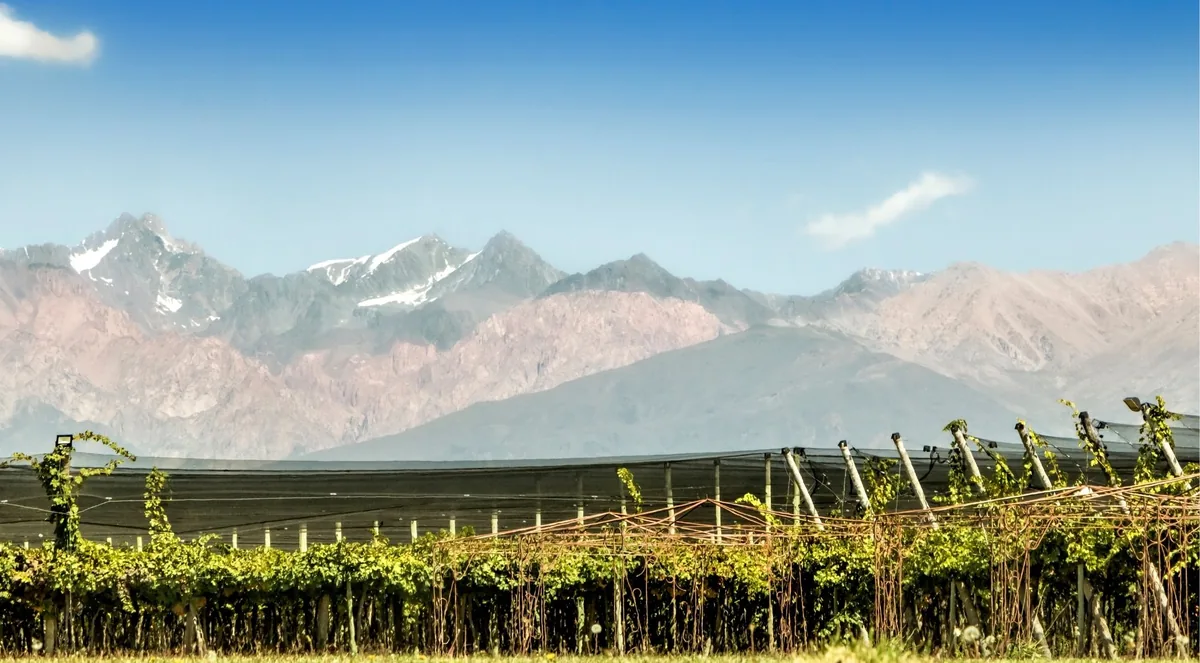
Luján de Cuyo is one of the easiest places in Mendoza to recommend to a first-time wine visitor. Most of its estates are about 30 to 40 minutes south and south-west of the city, it grows the Malbec Argentina is famous for, and it has enough range, from large established wineries to boutique producers and winery restaurants, to suit both a casual afternoon and a serious tasting day.
What makes a wine day work here is the combination:
- famous Malbec
- established wineries
- boutique producers
- winery restaurants
- a relatively short drive from Mendoza city
- enough variety for both casual visitors and serious wine lovers
Unlike the Uco Valley, you do not spend hours driving south before the first tasting. Unlike Maipú, the district has a particularly strong reputation for premium Malbec and polished winery visits. In 1989 Luján de Cuyo became Argentina’s first Denominación de Origen Controlada, created to protect Malbec, which is a large part of why the grape is still at the centre of every tasting here. Together, that makes it one of the best all-round wine regions in Mendoza.
This guide explains where Luján de Cuyo is, what its wines are like, which districts matter, how to plan a tasting day, which kinds of wineries to prioritise, and how it compares with Maipú and the Uco Valley.
If you already know your date, the simplest way in is the semi-private winery day with tastings and a paired lunch: your own guide-driver collects you in Mendoza, the operator books two wineries from a list that includes Terrazas de los Andes and Chandon in Luján de Cuyo, and lunch is served at the second estate. It is rated 4.9/5 from more than 130 reviews, and the calendar below shows its live dates and prices.
Check Availability
Quick Guide to Luján de Cuyo
| Question | Short answer |
|---|---|
| Where is it? | South and south-west of Mendoza city, about 30 to 40 minutes away |
| Best known for | Malbec |
| Best for | First-time visitors, classic Mendoza wine, winery lunches |
| Typical trip length | Half day or full day |
| Best transport | Small-group tour, private driver or private tour |
| How many wineries in one day? | 2–3 |
| Good for lunch? | Yes |
| Good for couples? | Yes |
| Good for beginners? | Excellent |
| Better than Uco Valley? | Easier, but less dramatic scenery |
If you have only one wine day in Mendoza, Luján de Cuyo is one of the safest choices.
Where Is Luján de Cuyo?
Luján de Cuyo lies south of Mendoza city, on the side of town that faces the Andes. It is one of the main parts of the wider Mendoza wine region and takes in several well-known wine districts:
- Agrelo
- Perdriel
- Vistalba
- Las Compuertas
- Ugarteche
The area is much closer to Mendoza city than the Uco Valley, which is ninety minutes or more each way. That gives it a major practical advantage: you spend more of the day
- tasting
- eating
- visiting wineries
and less of it in the vehicle. Our three regions compared sets the drive times and tour prices side by side.
Why Is Luján de Cuyo Famous for Wine?
Luján de Cuyo is strongly associated with Malbec. It played an important part in building the modern identity of Argentine Malbec, and its 1989 appellation was the first on the American continent. Many of the country’s best-known producers have their cellars here.
The wines are often known for:
- ripe fruit
- round texture
- concentration
- violet aromas
- dark plum and blackberry
- soft to firm tannins, depending on style
But Luján de Cuyo is not only about Malbec. You will also find:
- Cabernet Sauvignon
- Cabernet Franc
- Chardonnay
- sparkling wine
- blends
What Does Luján de Cuyo Malbec Taste Like?
There is no single style, but classic examples can show:
- plum
- blackberry
- black cherry
- violet
- spice
- cocoa
- tobacco
- smooth tannins
Compared with some higher-altitude Uco Valley Malbec, Luján de Cuyo examples can feel:
- rounder
- riper
- softer
- more generous
These are general tendencies, not rules. Producer style, vineyard location and winemaking matter enormously, and a good tasting will show you two Luján Malbecs that taste nothing alike. Our Malbec guide covers how the grape changes across Mendoza’s three regions.
Main Wine Areas Within Luján de Cuyo
Luján de Cuyo is not one uniform vineyard zone. Its districts sit on an alluvial slope running down from the mountains, and several of them have their own identity.
Agrelo
Agrelo is one of the best-known wine areas in Luján de Cuyo. It is home to many premium wineries, including Catena Zapata and Pulenta Estate, and it is often included in organised wine tours.
The area is particularly associated with:
- Malbec
- Cabernet Sauvignon
- premium red blends
- larger destination wineries
Agrelo is a good choice if you want a polished, classic Mendoza wine day.
Perdriel
Perdriel is another important Luján de Cuyo district, home to estates such as Achaval-Ferrer, Bodega Norton and Terrazas de los Andes. It combines:
- historic vineyards
- established wineries
- classic red varieties
It suits travellers who want a more traditional wine-country feel.
Vistalba
Vistalba lies close to the foothills and is known for premium wine production. It is often associated with:
- Malbec
- red blends
- boutique wineries
It also works well if you want wine-country atmosphere without going far from Mendoza: the leafy village of Chacras de Coria is next door.
Las Compuertas
Las Compuertas has become particularly interesting for travellers who want a more contemporary wine experience. You will find:
- old vineyards
- smaller producers
- modern wine projects
- boutique tastings
This is a strong area for people who already know the large Mendoza names and want something more personal.
Ugarteche
Ugarteche is another wine-growing zone within Luján de Cuyo, farther south than the districts above. It is less famous internationally than Agrelo, but it is part of the region’s wider vineyard landscape and can appear on private or specialist itineraries.
Best Wineries in Luján de Cuyo
The region has too many wineries to reduce to one definitive ranking, so the better way to choose is by the kind of visit you want. For named estates across all three regions, and which of them take visitors, see the best wineries in Mendoza.
Best for First-Time Visitors
Look for wineries that provide:
- a clear introduction to Mendoza wine
- well-organised tastings
- good visitor facilities
- strong Malbec
- useful regional context
Large, established producers are valuable here because they explain the broader Mendoza story well.
Best for Serious Wine Lovers
Choose wineries that emphasise:
- vineyard origin
- single-vineyard wines
- terroir
- premium tasting flights
- old vines
- comparative tastings
Smaller producers can sometimes give more technical depth. The Luján de Cuyo premium tastings and gourmet lunch day is built this way: it names its three estates in advance, starting with single-vineyard Malbec at Achaval-Ferrer, then the small organic producer Pulmary, then lunch at Finca La Anita ($246 per person with every fee included). It has only 8 reviews so far, averaging 4.8. (our breakdown →)
Best for Food Lovers
Choose a winery with a serious restaurant. A long winery lunch can be the centrepiece of the day, and Luján de Cuyo has excellent food-and-wine options without the long Uco Valley transfer. Our guide to Mendoza wineries with lunch covers the winery restaurants themselves.
Best for Couples
Look for:
- a boutique setting
- smaller groups
- vineyard views
- a long lunch
- a private or premium tasting
Luján de Cuyo is especially good for couples because the day can feel relaxed without an exhausting full-day drive. More ideas are in our guide to wine tasting in Mendoza as a couple.
How Many Wineries Should You Visit?
Two or three is ideal. A good itinerary could follow one of these shapes.
Option 1
- Winery 1
- Winery 2
- Winery lunch
Option 2
- Winery 1
- Winery lunch
- Winery 2
Option 3
- Three wineries
- A casual lunch
The best format depends on how important food is to you.
Is Three Wineries Too Many?
Not usually. Three can work well because the distances are more manageable than in the Uco Valley.
Do check the map before you book, though. Wineries scattered across the region, say one in Ugarteche and one in Vistalba, can still waste a good part of the day on the road.
Is Four Wineries Too Many?
Usually, yes. You can do it, but by the fourth tasting:
- palate fatigue increases
- alcohol adds up
- the wineries begin to blur together
Two good tastings and a great lunch are usually more memorable.
Luján de Cuyo Wine Tours
Wine tours are the easiest way to explore the region. Common formats include:
- half-day group tours
- full-day group tours
- premium small-group tours
- private tours
- private driver itineraries
Luján de Cuyo is flexible enough to work in almost every format. Every Luján tour we cover, with what each price includes, is on our Luján de Cuyo wine tours page.
Half-Day Luján de Cuyo Tour
A half-day tour works well because the region is close to Mendoza city. A typical itinerary might include:
- two wineries
- guided tastings
- an optional food stop
- the return to Mendoza
This is ideal for:
- short stays
- beginners
- budget travellers
- visitors with dinner plans later
The half-day wine tour with tastings is the most-booked example ($43, 4.3/5 from 743 reviews). It visits two cellars in Luján de Cuyo or Maipú, so check which region your departure uses if Luján is the point. It starts in the afternoon and does not include lunch.
Full-Day Luján de Cuyo Tour
A full day gives you more time for:
- premium wineries
- detailed tastings
- lunch
- a slower pace
This is usually the better format if wine is a major part of your trip. A strong full-day itinerary might be:
- first winery
- second winery
- long lunch
- optional final stop
The full-day tour with a three-course lunch lets you choose Luján de Cuyo when you book, with two cellar visits and lunch at a third winery ($125, 4.4/5 from more than 160 reviews).
Private Luján de Cuyo Wine Tour
Private tours work especially well here because you can customise the day without paying for very long-distance transport. A private itinerary can focus on:
- famous wineries
- boutique producers
- premium Malbec
- lunch
- specific tasting styles
This is a good choice for:
- couples
- groups
- wine lovers
- special occasions
Our private wine tours page works out the per-person cost for each group size.
Private Driver vs Organised Tour
Private driver
Best if:
- you already know the wineries
- you want independence
- you do not need a guide
Organised tour
Best if:
- this is your first visit
- you want winery recommendations
- you want tastings and lunch coordinated
For first-time visitors, the tour is usually easier.
Can You Visit Luján de Cuyo Wineries Without a Tour?
Yes. You can use:
- a private driver
- a taxi
- a transfer
- the Wine Bus
- a rental car with a designated driver
The region is easier to explore independently than the Uco Valley. Still, most wineries require reservations, so do not assume you can arrive without booking. Our guide to visiting Mendoza wineries without driving compares each option.
You can also cycle. The guided wine and bike tour at the foot of the Andes rides through the Luján de Cuyo vineyards to a winery tasting, then drives you up to the Potrerillos reservoir for a second ride ($143, 4.9/5 from 31 reviews). The bike wine tour guide covers the self-guided options.
Do You Need Winery Reservations?
Often, yes. Many Mendoza wineries run scheduled visits rather than open tasting rooms. Reservations matter most for:
- premium tastings
- famous wineries
- lunch
- weekends
- harvest season
- English-language tours
If you have specific names in mind, book the wineries first and fit the rest of the day around them.
Luján de Cuyo Winery Lunches
This is one of the region’s strongest advantages. You can enjoy:
- tasting menus
- fire cooking
- local produce
- paired wines
- vineyard dining
A winery lunch often lasts two or three hours, which makes it a major part of the day, not a quick break. Our wine tours with lunch page compares what each lunch tour includes.
Is a Winery Lunch Worth It?
Yes, especially if this is your only wine day. A lunch shows you how Mendoza wines work with food, and it slows the pace of the day.
For beginners, a good lunch can be more useful than upgrading every tasting to the most expensive level.
Best Luján de Cuyo Wine Day for Beginners
A simple structure:
10:00 – First winery
Start with a producer that explains the basics well.
11:45 – Second winery
A contrasting stop: a different size of estate, or a different style of Malbec.
13:30 – Winery lunch
Allow at least two hours.
16:00 – Return to Mendoza
This gives you enough wine without the day becoming overwhelming.
Best Luján de Cuyo Wine Day for Serious Wine Lovers
A better structure might be:
09:30 – Terroir-focused or old-vine producer
Las Compuertas and Perdriel are good places to look.
11:30 – Premium tasting
A reserve or single-vineyard flight.
13:30 – Lunch with paired wines
16:30 – Optional final boutique tasting
The key is quality, not volume.
Luján de Cuyo vs Uco Valley
This is one of the most important Mendoza planning decisions.
Luján de Cuyo
Better for:
- convenience
- first-time visitors
- classic Malbec
- shorter travel
- half-day tours
Uco Valley
Better for:
- mountain scenery
- high-altitude wines
- terroir-focused tasting
- full-day premium trips
Which should you choose?
If you have only one day, choose Luján de Cuyo. If scenery and high-altitude wine matter most, choose the Uco Valley. If you have two days, visit both. Our Uco Valley wine guide covers the valley’s subregions and wineries.
Luján de Cuyo vs Maipú
Luján de Cuyo
More associated with:
- premium Malbec
- boutique and famous wineries
- polished winery restaurants
Maipú
More associated with:
- historic wineries
- bike tours
- olive oil
- casual wine tourism
Choose Luján de Cuyo for a classic premium wine day, and Maipú for a more relaxed and often cheaper one. Our Maipú wine guide explains what a day there looks like.
Is Luján de Cuyo Better Than Mendoza City for Staying?
It can be. Stay in Luján de Cuyo if:
- wine is the main purpose of your trip
- you want a quieter environment
- you plan to visit nearby wineries
- you like boutique accommodation
Stay in Mendoza city if:
- restaurants and nightlife matter
- you are visiting several wine regions
- you want easier tour pickups
Chacras de Coria
Chacras de Coria is one of the most popular places to stay in the broader Luján de Cuyo area, about twenty minutes from the city centre. It offers:
- boutique hotels
- restaurants
- leafy streets
- cafés
- convenient winery access
It is a good compromise between city life and wine country, and it sits inside the pickup area of most tours. Our guide to where to stay in Mendoza wine country compares it with the city and the Uco Valley.
Should You Stay Overnight in Luján de Cuyo?
Yes, especially for couples or longer trips. One or two nights can make the wine experience feel more relaxed. You avoid:
- the daily transfer from Mendoza city
- rushed dinner plans
- early-morning pickups
If your trip is only two or three nights, staying in central Mendoza may still be easier.
Best Time to Visit Luján de Cuyo
The region works year-round. Particularly strong periods include:
- March
- April
- October
- November
These months balance:
- vineyard scenery
- comfortable weather
- outdoor dining
Our best time to visit Mendoza wine country guide goes through the year month by month.
Harvest Season in Luján de Cuyo
Harvest generally runs from about February to April, in late summer and early autumn, and it is when the region feels most active. You may see:
- grapes arriving
- fermentation under way
- harvest teams in the vineyards
- special winery events
It is also a busy time, so book early.
Luján de Cuyo in Autumn
Autumn is one of the most beautiful times to visit. The vineyards change colour and the weather turns milder. It is especially good for:
- photography
- outdoor lunches
- couples
- relaxed wine touring
Luján de Cuyo in Winter
Winter is quieter. Expect:
- dormant vines
- cool mornings
- fewer visitors
- clear days that can give excellent Andes views
For serious tasting, winter can be very good, because the wineries are less busy.
Luján de Cuyo in Spring
Spring brings:
- green vineyard growth
- comfortable temperatures
- excellent outdoor conditions
October and November are especially attractive.
Luján de Cuyo in Summer
Summer is hot and sunny, and the vineyards are at their greenest. Plan for:
- morning tastings
- air-conditioned transport
- plenty of water
- a long, shaded lunch
What Wines Should You Try?
Start with these.
Malbec
The essential Luján de Cuyo wine.
Cabernet Sauvignon
A useful contrast with Malbec.
Cabernet Franc
Increasingly important, and often the surprise of a tasting.
Red blends
Often among the most serious wines a winery makes.
Chardonnay
Try it if the winery pours one.
Sparkling wine
Good at the start of a tasting or with lunch. Chandon’s Argentine cellar is in Agrelo.
For the grape-by-grape list, see the best Argentinian wines to try in Mendoza.
What Should You Ask at a Tasting?
Ask:
- Which district is this vineyard in?
- How old are the vines?
- What altitude is the vineyard?
- Is the wine aged in oak?
- Is this a single-vineyard wine?
- How does this compare with Uco Valley Malbec?
- Which wine best represents the winery?
These questions make the tasting more useful, and most guides enjoy answering them.
Can Beginners Enjoy Luján de Cuyo?
Absolutely. It is one of the best wine regions in Mendoza for beginners. You get:
- strong visitor infrastructure
- clear tastings
- famous grapes
- approachable wine styles
- good tours
You do not need to know anything about wine before visiting. Our wine tasting guide for beginners explains what happens at a tasting.
Is Luján de Cuyo Good for Couples?
Yes. It combines:
- good food
- vineyard settings
- boutique wineries
- relatively easy logistics
That makes it less tiring than the Uco Valley for a romantic day.
Is Luján de Cuyo Good on a Budget?
Yes, although it can also be very premium. To keep costs down:
- choose a shared tour
- visit two wineries
- skip the luxury tasting upgrades
- eat in Mendoza city afterwards
You can still have a very good day. Our Mendoza wine tour prices guide sets out what each price level includes.
Is Luján de Cuyo Worth Visiting If You Already Went to Uco Valley?
Yes. The two regions offer different styles. The Uco Valley feels:
- higher
- more dramatic
- more modern
Luján de Cuyo feels:
- more classic
- established
- easier to reach
They complement each other well.
Sample Half-Day Itinerary
09:00 – Leave Mendoza
10:00 – First winery
11:30 – Second winery
13:00 – Return, or an optional lunch
Good for short trips.
Sample Full-Day Itinerary
09:00 – Pickup
10:00 – First winery
11:45 – Second winery
13:30 – Winery lunch
16:00 – Optional final stop
17:00 – Return to Mendoza
This is the best all-round format.
Common Planning Mistakes
Booking too many wineries
Three is enough.
Choosing wineries only by fame
Mix large and small producers.
Ignoring lunch
One good lunch can improve the whole day.
Booking wineries far apart
Check the geography before you reserve.
Assuming walk-ins are fine
Reserve in advance.
Driving yourself after tasting
Use safe transport.
Comparing Luján de Cuyo directly with Uco Valley on scenery alone
The strengths are different.
Frequently Asked Questions
Is Luján de Cuyo worth visiting?
Yes. It is one of Mendoza’s most important wine regions and one of the easiest for first-time visitors.
What wine is Luján de Cuyo famous for?
Malbec. In 1989 Luján de Cuyo became Argentina’s first Denominación de Origen Controlada, created to protect the grape.
How far is Luján de Cuyo from Mendoza city?
Most wineries are about 30 to 40 minutes from central Mendoza, depending on the district and the traffic; the farther estates, around Ugarteche, take longer.
Can you visit Luján de Cuyo in half a day?
Yes. It is one of the best Mendoza wine regions for a half-day tour.
Is Luján de Cuyo better than Uco Valley?
It is more convenient and better for a first wine day. The Uco Valley offers stronger mountain scenery and more high-altitude wine experiences.
Is Luján de Cuyo better than Maipú?
It depends. Luján de Cuyo is stronger for premium Malbec and polished winery experiences. Maipú is better for casual touring, bike routes and olive oil.
How many wineries should I visit in Luján de Cuyo?
Two or three.
Do I need reservations for Luján de Cuyo wineries?
Usually, yes, especially for premium tastings, lunches, weekends and harvest season.
Can I stay in Luján de Cuyo?
Yes. Chacras de Coria and other areas offer boutique accommodation and easy winery access.
Is Luján de Cuyo good for beginners?
Very. Its tastings are well organised and its wineries are used to explaining Malbec from the beginning.
Final Thoughts: Is Luján de Cuyo the Best Wine Region for First-Time Visitors?
For many people, yes. It gives you the classic Mendoza wine experience without the long Uco Valley drive.
You can taste excellent Malbec, visit established wineries, explore smaller producers and finish with a serious winery lunch, all within a relatively compact area.
If you have only one wine day, Luján de Cuyo is difficult to beat. If you have two, pair it with the Uco Valley. If you have three, add Maipú for contrast.
Luján de Cuyo may not have the most dramatic mountain scenery in Mendoza, but for the combination of wine quality, convenience and visitor experience, it is one of the most complete wine regions in Argentina.
Nine Tastings, Three Bodegas, One Afternoon
Join 1,300+ guests who rated our top pick 4.7/5. Three Maipú wineries and an olive oil mill, every tasting and entry fee included, hotel pickup, and a driver for the road back. Free cancellation.
Check Availability & Book