The Maipú Wine Guide
What makes Maipú different: historic wineries, olive oil producers and the Coquimbito bike route, how many stops fit in a day, and how it compares with Luján de Cuyo and the Uco Valley.
Maipú is one of the easiest Mendoza wine regions to underestimate. It does not have the luxury image of the Uco Valley, and it is not as closely tied to premium Malbec as Luján de Cuyo. But for many travellers it is one of the most enjoyable places to spend a wine day.
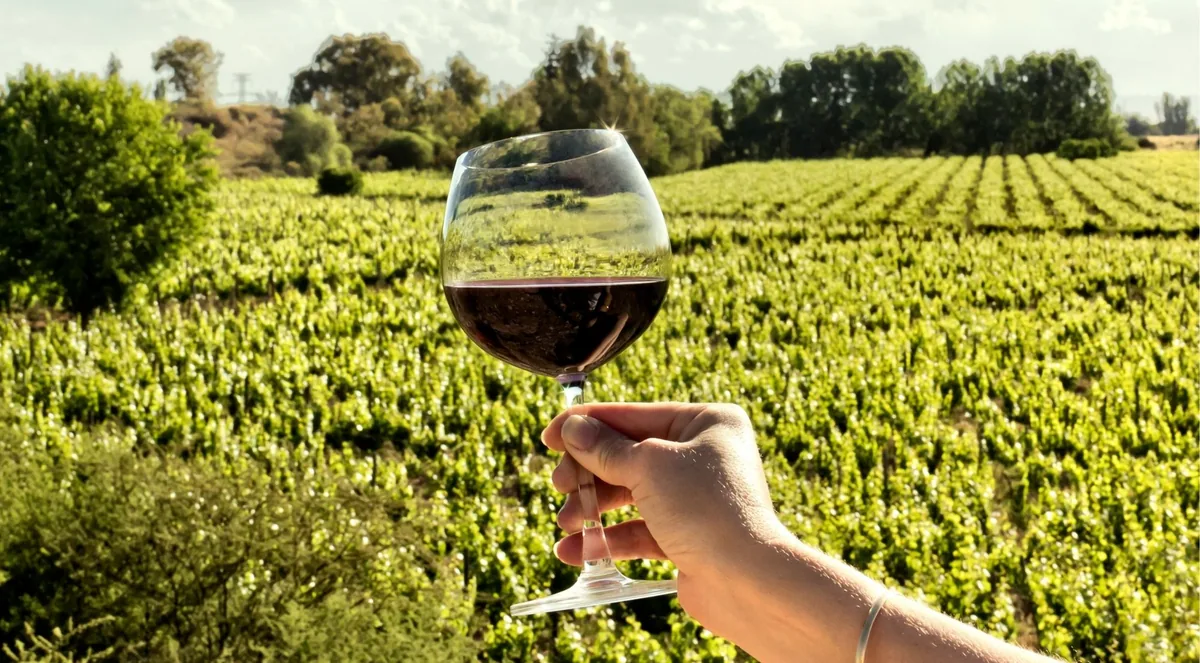
That is because a day here combines:
- historic wineries
- casual tastings
- olive oil producers
- bike-friendly wine routes
- traditional Mendoza wine culture
- restaurants and regional food
- easy access from Mendoza city
Maipú suits you if you want wine tourism to feel relaxed, not formal. You can spend the morning tasting Malbec, stop at an olive oil producer, have lunch and cycle between several stops without turning the day into an expensive luxury experience. Our olive oil guide explains how a Mendoza olive oil tasting works.
This guide explains what makes Maipú different, the best ways to visit, how bike wine tours work, which wines to try, how many wineries to plan for, and how it compares with Luján de Cuyo and the Uco Valley.
The easiest first taste is the afternoon most visitors book: the three-winery Maipú tour with an olive oil mill collects you from central Mendoza, pours three wines at each of three contrasting cellars and finishes with an olive oil tasting, every entry fee included ($34, 4.7/5 from more than 1,350 reviews). It starts at 2:00 p.m. and has no lunch stop, so eat first. The calendar below shows its live dates.
Check Availability
Quick Guide to Maipú Wine Country
| Question | Short answer |
|---|---|
| Best known for | Historic wineries, Malbec, olive oil, bike wine tours |
| Best for | Casual wine tasting, budget-conscious travellers, active visitors |
| Distance from Mendoza city | About 30 minutes; the Coquimbito wineries are roughly 15 km from downtown |
| Typical visit | Half day or full day |
| How many wineries? | 2–3 |
| Can you cycle between wineries? | Yes, in established wine-route areas |
| Can you visit olive oil producers? | Yes |
| Good for beginners? | Excellent |
| Good for luxury wine tourism? | Possible, but not its main strength |
| Better than Uco Valley? | Easier and cheaper, but less dramatic |
If you want a first wine day that feels accessible and informal, Maipú is one of Mendoza’s best choices.
Where Is Maipú?
Maipú lies south-east of Mendoza city and is part of the wider Mendoza wine region. It is one of the province’s historic centres of winemaking and olive oil production.
For visitors, the important point is that Maipú is much easier to reach than the Uco Valley, which is ninety minutes or more each way. That makes it suitable for:
- half-day tours
- bike tours
- independent winery visits
- short stays
- last-day excursions
You do not need to commit to a long full-day transfer to see wine country. Our three regions compared sets the drive times and prices side by side.
Why Visit Maipú?
Maipú is particularly strong if you want variety. A single day can combine:
- a winery visit
- wine tasting
- olive oil tasting
- cycling
- traditional food
- historic wine culture
That makes it different from a highly curated premium wine day in the Uco Valley. Maipú feels more casual and more flexible.
What Wine Is Maipú Known For?
Malbec remains central, but you can also find:
- Cabernet Sauvignon
- Bonarda
- Syrah
- Tempranillo
- red blends
- white wines
- sparkling wine
Historic producers often work with a broader mix of varieties than visitors expect, and some, like the sweet-wine specialists on the standard tour route, make styles you will not see elsewhere in Mendoza.
What Does Maipú Malbec Taste Like?
There is no single style, but many Maipú Malbecs show:
- ripe plum
- blackberry
- dark cherry
- violet
- spice
- soft to moderate tannin
Compared with some high-altitude Uco Valley examples, Maipú wines may feel:
- riper
- rounder
- warmer
- more traditional
Producer style still matters more than any simple regional rule. Our Malbec guide covers how the grape changes from one region to the next.
Maipú and Mendoza Wine History
Maipú matters because it shows an older side of Mendoza wine culture. You will find:
- long-established wineries
- traditional cellars
- historic buildings
- family-run producers
- older vineyard areas
That gives the region a different character from the modern architectural wineries of the Uco Valley, and for travellers interested in wine history it can be especially rewarding.
Maipú Is Also Olive Oil Country
Wine is only half the story. Maipú is strongly associated with olive oil, and the department promotes olive-oil tourism alongside its wineries. Many visitors combine a winery with an olivícola, an olive oil producer.
A typical visit may include:
- an explanation of olive cultivation
- a production tour
- extra virgin olive oil tasting
- olives
- tapenades
- flavoured oils
- regional products
This gives Maipú one of the most varied tasting days in Mendoza, and it is why the shared tours on our Maipú wine tours page stop at an olive oil mill as well as the wineries.
Is an Olive Oil Tasting Worth It?
Yes, especially if you are doing several wine days. After wineries in Luján de Cuyo and the Uco Valley, another three-winery day can feel repetitive. A Maipú day such as:
- winery
- olive oil producer
- lunch
- second winery
creates much more contrast.
Best Way to Visit Maipú
You have several good options, and Maipú is more flexible than most Mendoza wine areas.
Shared wine tour
Best for:
- first-time visitors
- easy logistics
- hotel pickup
- no planning
The three-winery afternoon with an olive oil mill and the Route 60 tour of three wineries and an olive oil producer ($32, 4.9/5 from 38 reviews) both work this way, with nine wines and every entry fee included.
Private driver
Best for:
- choosing your own wineries
- a flexible schedule
- groups
Bike wine tour
Best for:
- active travellers
- couples
- friends
- casual tasting
Wine Bus
Best for:
- independent travellers
- budget-conscious visitors
The Bus Vitivinícola hop-on hop-off ticket covers scheduled transport and winery reservations on its routes; tastings are paid separately. It has only 7 reviews so far, averaging 4.2.
Taxi or transfer
Best for:
- one winery
- a winery lunch
- short itineraries
Our guide to visiting Mendoza wineries without driving compares each option in detail.
Maipú Bike Wine Tours
This is one of the region’s signature experiences. The classic idea is simple:
- travel from Mendoza city to the bike-rental area
- rent a bicycle
- receive a map or suggested circuit
- cycle between wineries and other tasting stops
- return the bicycle later in the day
The area around Coquimbito is particularly associated with self-guided wine cycling: the rental shops sit along Calle Urquiza, the road that links many of the wineries. Our bike wine tour guide covers the routes and the rental options.
Why Maipú Works Better by Bike Than Other Mendoza Wine Regions
The answer is geography and tourism infrastructure. On the established Maipú circuits:
- wineries are closer together
- set cycling routes exist
- bike-rental services are geared to wine visitors
- olive oil stops are easy to add
That does not mean every Maipú winery is easy to reach by bike, and you still need to plan the route. But compared with the Uco Valley, the idea is far more practical.
Guided vs Self-Guided Bike Tour
Self-guided
You rent the bike and choose your route. Best for:
- flexibility
- lower cost
- independent travellers
Guided
You follow a planned itinerary with a guide. Best for:
- route confidence
- easier logistics
- first-time cyclists
- groups
If your main goal is relaxed exploration, self-guided can work very well. If you would prefer a guide and someone else to drive the busy stretches, the guided wine and bike tour at the foot of the Andes rides in Luján de Cuyo instead, with vehicle transfers between sections ($143, 4.9/5 from 31 reviews).
Is Cycling After Wine Tasting Safe?
Only if you are sensible about alcohol. A bicycle does not make alcohol impairment irrelevant. Wine can affect:
- balance
- reaction time
- judgement
- coordination
If you are cycling:
- taste, and do not drink heavily
- leave wine unfinished
- drink water
- eat lunch
- stop cycling if you feel impaired
If you want to drink full tasting pours at several wineries, choose a driver or a tour instead.
Are Maipú Bike Routes Traffic-Free?
No, and this is important. You ride on public roads with:
- cars
- buses
- local traffic
Some stretches are more comfortable than others; part of Calle Urquiza narrows and loses its shoulder. Wear a helmet and treat the day as real road cycling, not a closed vineyard trail.
How Many Wineries Should You Visit by Bike?
Two or three is enough. You need time for:
- cycling
- tastings
- lunch
- navigation
- breaks
Trying to visit five places makes the day rushed.
Best Maipú Wine Day Without a Bike
A very good itinerary is:
10:00 – Historic winery
11:45 – Second winery
13:30 – Lunch
15:30 – Olive oil tasting
17:00 – Return to Mendoza
This gives you more variety than four wine tastings in a row.
Best Maipú Wine Day by Bike
A practical structure:
Morning – Travel to Coquimbito
10:30 – Collect the bike
11:00 – First winery
12:30 – Olive oil producer
14:00 – Lunch
15:30 – Optional second winery
Late afternoon – Return the bike
This is far more enjoyable than racing between stops.
How Many Wineries Are Open to Visitors?
Maipú has a large wine-tourism sector, with dozens of wineries open to visitors. The exact list changes, because:
- opening days change
- reservation policies change
- wineries add or drop visitor programmes
Choose wineries that fit your route, not only the most famous names.
What Type of Wineries Should You Choose?
Aim for contrast. For example:
Winery 1
A historic producer.
Winery 2
A smaller family winery.
Winery 3
A modern or premium producer.
That gives you more variety than three similar visits. The shared afternoon tours build their days on the same principle: one artisanal cellar, one large producer and one sweet-wine specialist.
Best Maipú Wineries for Beginners
Beginners should prioritise wineries that offer:
- clear explanations
- structured tastings
- easy-to-understand wines
- visitor-focused tours
You do not need a technical terroir tasting for your first winery. Our wine tasting guide for beginners explains what happens at a tasting.
Best Maipú Experiences for Wine Lovers
More experienced visitors can look for:
- old-vine wines
- limited-production labels
- family wineries
- reserve tastings
- comparative Malbec flights
- traditional cellar tours
Maipú can offer much more depth than its casual image suggests.
Maipú Winery Lunches
Lunch can be an important part of the day. Options range from:
- simple regional food
- casual winery restaurants
- paired menus
- countryside dining
Maipú generally feels less like a luxury destination than the Uco Valley, and that can be part of the appeal. The full-day tour with a three-course lunch lets you choose Maipú when you book, with lunch at a winery after two cellar visits ($125, 4.4/5 from more than 160 reviews).
Is Lunch Worth Including?
Yes, especially if you are cycling or tasting several wines. Lunch helps:
- slow the pace
- reduce the effect of the alcohol
- balance the day
- add local food to the experience
Maipú vs Luján de Cuyo
These two regions are close enough that travellers often compare them.
Choose Maipú if you want:
- a bike tour
- olive oil
- historic wineries
- casual tasting
- lower-cost options
Choose Luján de Cuyo if you want:
- premium Malbec
- polished winery visits
- a boutique winery lunch
- a private tasting
For a first premium wine day, Luján de Cuyo often wins. For a fun and varied day, Maipú can be better. Our Luján de Cuyo wine guide covers its districts and wineries.
Maipú vs Uco Valley
The difference is even clearer.
Maipú
Best for:
- convenience
- bike tours
- history
- olive oil
- casual travel
Uco Valley
Best for:
- scenery
- high-altitude wine
- premium wineries
- destination restaurants
- luxury stays
They are not substitutes; they offer completely different wine days. Our Uco Valley wine guide explains the valley’s subregions.
Should You Visit Both Maipú and Luján de Cuyo?
Yes, if you have enough time. A strong Mendoza trip could be:
Wine Day 1
Luján de Cuyo.
Wine Day 2
The Uco Valley.
Wine Day 3
A Maipú bike tour or olive oil day.
That gives you excellent variety. The Mendoza wine trip guide has itineraries from two days to a week.
Is Maipú Good for First-Time Visitors?
Very. It is particularly good if you are not sure how serious you want your wine trip to be. You can learn the basics without:
- paying premium prices
- committing to a long transfer
- spending the whole day in formal tastings
Is Maipú Good for Couples?
Yes, especially couples who enjoy:
- cycling
- casual food
- independent travel
- relaxed tasting
For a romantic luxury day, the Uco Valley may be stronger. For a fun day together, Maipú works extremely well.
Is Maipú Good for Solo Travellers?
Yes. A shared tour or a guided bike day can be ideal, and self-guided cycling is possible for confident riders.
Is Maipú Good for Groups?
Yes. Groups can use:
- a private van
- a bike tour
- a shared tasting
- a winery lunch
A private driver becomes particularly attractive when several people share the cost; our private wine tours page works out the arithmetic.
Can You Visit Maipú in Half a Day?
Yes, and this is one of the region’s biggest advantages. A half-day can include:
- two wineries
- a winery plus an olive oil producer
- part of a bike circuit
If you have only a short time in Mendoza, Maipú is practical. The shared afternoon tours run about six hours door to door.
Is a Full Day Better?
Usually, if you want:
- cycling
- lunch
- several tastings
- olive oil
A full day lets you slow down. Our half-day vs full-day comparison covers the trade-off.
Best Time to Visit Maipú
Maipú works year-round. For cycling, spring and autumn are particularly comfortable. Strong months include:
- March
- April
- May
- September
- October
- November
Our best time to visit Mendoza wine country guide goes through the year month by month.
Maipú in Summer
Summer can be hot. If you are cycling:
- start early
- carry water
- use sunscreen
- take breaks
Afternoon heat can make even a flat ride tiring.
Maipú During Harvest
Harvest, roughly February to April, brings more activity to the wineries. Visits can be more interesting but also busier, so book tastings in advance.
Maipú in Autumn
Autumn is excellent. Expect:
- milder weather
- vineyard colour
- comfortable cycling
April is particularly attractive.
Maipú in Winter
Winter is quieter. You can still enjoy:
- wine tasting
- olive oil
- restaurants
- historic wineries
Cycling can be chilly in the morning.
Do You Need Winery Reservations?
Often, yes. Some places accept walk-ins, but reservation policies vary. Book ahead if:
- you want a specific winery
- you need a tour in English
- it is harvest season
- you want lunch
- you are travelling at a weekend
Do Olive Oil Producers Need Reservations?
Often. Treat olive oil visits like winery visits, not like ordinary shops. Some offer scheduled guided tastings.
What Wines Should You Try in Maipú?
Start with these.
Malbec
Essential.
Bonarda
A very useful comparison, and an important Argentine variety.
Cabernet Sauvignon
Common and often excellent.
Syrah
Try it at producers with warmer sites.
Traditional blends
These can show another side of historic Mendoza winemaking.
The grape-by-grape list is in our guide to the best Argentinian wines to try in Mendoza.
What Should You Buy?
Buy wine if:
- you genuinely liked it
- it is hard to find at home
- the price is sensible
- you can transport it safely
If you are cycling, ask whether you can collect bottles later instead of carrying them.
How Much Does a Maipú Wine Day Cost?
It depends on the format.
Cheapest
Self-guided bike rental plus individual tastings.
Moderate
A shared tour, from about $32 with three wineries, an olive oil mill and every entry fee included.
Higher
A private driver plus premium winery visits.
Highest
A private guided day with premium tastings and lunch.
Maipú generally offers more budget-friendly possibilities than the Uco Valley. Our Mendoza wine tour prices guide sets out what each price level includes, and our guide to budget wine tours in Mendoza shows how to plan a cheap Maipú day.
Is Maipú Cheap?
It can be, but not every winery is inexpensive. Premium tastings, restaurants and private transport can still push the price up. The advantage is that you have more low- and mid-range options.
What to Wear
For ordinary winery visits:
- smart casual clothing
- comfortable shoes
- light layers
For cycling:
- closed shoes
- comfortable clothing
- sunscreen
- sunglasses
- a helmet
Do not put style ahead of comfort.
What to Bring
Useful items include:
- water
- sunscreen
- a phone
- identification
- a payment card
- a small amount of cash
- sunglasses
For cycling, keep your bag light.
Common Maipú Planning Mistakes
Visiting only wineries
Add olive oil or food for variety.
Choosing wineries too far apart
Build a route.
Trying to visit five wineries
Too much.
Drinking heavily while cycling
Unsafe.
Assuming bike routes are closed to traffic
They are not.
Skipping lunch
Especially a mistake on active days. On the afternoon tours, eat before you are collected.
Comparing Maipú to Uco Valley only on luxury
They serve different travellers.
Frequently Asked Questions
Is Maipú worth visiting for wine tasting?
Yes. It is one of Mendoza’s most historic and accessible wine areas, with wineries, olive oil producers, bike routes and restaurants.
What is Maipú famous for?
Wine, Malbec, olive oil and historic wine tourism.
Can you cycle between wineries in Maipú?
Yes, in established wine-route areas, especially around Coquimbito. The roads are shared with traffic.
Is Maipú better than Luján de Cuyo?
Maipú is better for cycling, olive oil and casual wine tourism. Luján de Cuyo is stronger for premium Malbec and more polished winery experiences.
Is Maipú better than Uco Valley?
It is easier and generally cheaper. The Uco Valley is stronger for mountain scenery, high-altitude wine and luxury experiences.
How many wineries should I visit in Maipú?
Two or three.
Can I visit Maipú in half a day?
Yes. The shared afternoon tours take about six hours door to door.
Is Maipú good for a bike wine tour?
It is the classic Mendoza region for winery cycling.
Can I combine wine and olive oil tasting?
Yes. This is one of Maipú’s strongest combinations, and most shared Maipú tours include an olive oil producer.
Do I need reservations in Maipú?
Often, yes, for wineries and olive oil producers alike.
Final Thoughts: Is Maipú Worth Adding to a Mendoza Wine Trip?
Yes, especially if you want something different from a premium winery day. Maipú is at its best when you embrace what makes it different:
- historic wine culture
- cycling
- olive oil
- casual tasting
- regional food
- easy access
Do not try to turn it into the Uco Valley. If you want dramatic Andes scenery and destination wineries, go south. If you want polished premium Malbec, spend a day in Luján de Cuyo.
But if you want a relaxed day where wine is mixed with movement, food and local history, Maipú can be one of the most enjoyable parts of a Mendoza trip.
Nine Tastings, Three Bodegas, One Afternoon
Join 1,300+ guests who rated our top pick 4.7/5. Three Maipú wineries and an olive oil mill, every tasting and entry fee included, hotel pickup, and a driver for the road back. Free cancellation.
Check Availability & Book