Mendoza Wine and Olive Oil Tasting: The Best Maipú Experiences
How to combine wine and olive oil tasting in Maipú: what happens at an olive oil tasting, half-day and full-day itineraries, bike and Wine Bus options, and which tours include an olive mill.
Most people come to Mendoza for the wine, and in Maipú you can add a second tasting to the same day: olive oil. Mendoza is one of Argentina’s main wine regions and also a large olive-growing area, and Maipú promotes itself on both. A day that mixes a winery, a Malbec tasting, an olive oil producer, a guided extra virgin tasting, some regional food and lunch is easier to remember than three or four wineries in a row, and it is one of the cheapest good days out from Mendoza city.
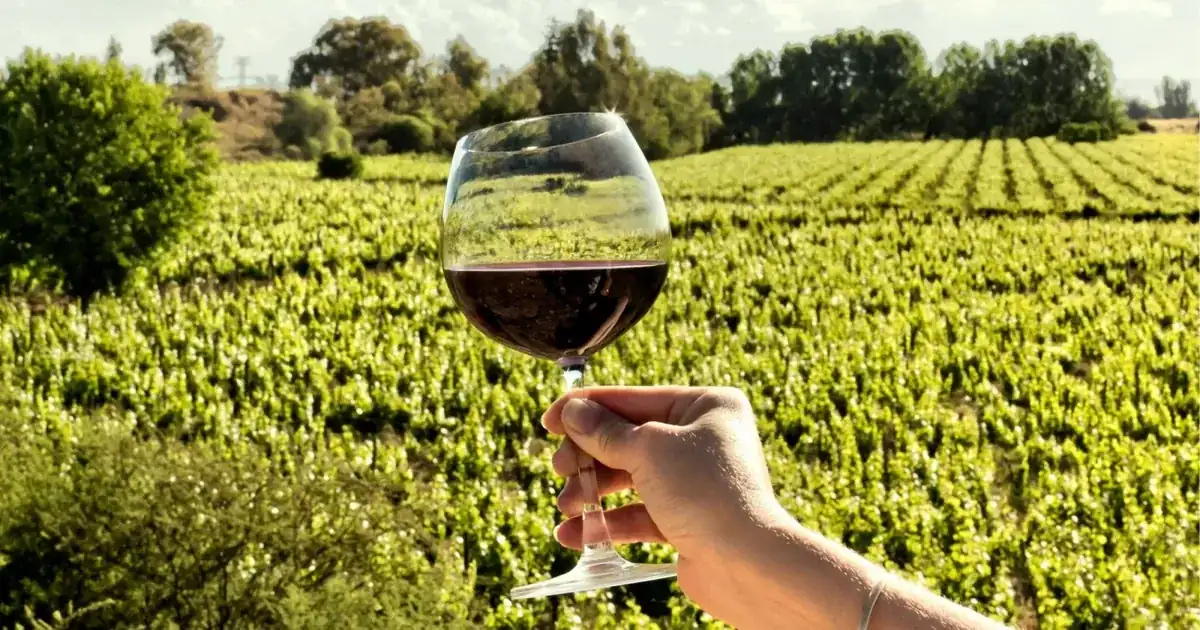
The best-known way to do it is the $34 3 Wineries, Olive Oil Factory Tour & Tasting, rated 4.7/5 from more than 1,350 reviews, which runs from Mendoza city to Maipú in the afternoon. Below is where to go, what happens at an olive oil tasting, how to fit it around the wineries, and how to choose between a tour, a bike route and an independent visit.
Check Availability
Quick Guide to Wine and Olive Oil Tasting in Mendoza
| Question | Short answer |
|---|---|
| Best area | Maipú |
| Good for | Food lovers, beginners, couples, repeat wine visitors |
| Typical duration | Half day or full day |
| Can you combine wine and olive oil? | Yes, many Maipú tours include both |
| Do olive oil producers offer guided tastings? | Many do |
| Best transport | Tour, private driver, Wine Bus, or a bike in parts of Maipú |
| How many stops? | Usually 2–4 in total |
| Do you need reservations? | Often |
| Good for non-drinkers? | Yes |
| Worth adding if you already have wine tours booked? | Yes, it makes a third wine day feel different |
If you already plan one or two days at Mendoza wineries, an olive oil visit is the simplest way to make another tasting day feel new. Our pick on GetYourGuide is the 3 Wineries, Olive Oil Factory Tour & Tasting ($34, 4.7/5 from 1,372 reviews); the smaller-group alternative is the Wine and Olive Oil Tasting Half-Day Tour ($34, 4.8/5 from 9 reviews), which is still a thin sample.
Why Mendoza Has Olive Oil Tourism
Olive growing has a long history in Mendoza. The dry climate that suits vines also suits olive trees, and olive oil is now part of the province’s food and farming identity alongside wine.
You can tour olive oil producers, known locally as olivícolas and sometimes as almazaras (the mills), and see how olives become extra virgin olive oil. A visit may include:
- a walk in the olive grove
- an explanation of the harvest
- the production process
- tasting technique
- different olive varieties
- flavoured oils
- regional foods
- the shop
In Spanish this kind of travel is called oleoturismo.
Why Maipú Is the Best Place for Wine and Olive Oil Tasting
Start in Maipú. It is one of Mendoza’s oldest wine districts, about half an hour from the city centre, and one of its main olive oil areas. Maipú’s tourism office promotes these together:
- wineries
- olive oil producers
- food
- rural tourism
- historic sites
Because the wineries and the mills sit close together, you can do both in one day without planning a multi-region route. How the bike routes and mills fit into the rest of the district is in our Maipú wine guide.
Maipú: “Wine and Olive” in One Destination
Maipú’s tourism identity rests on Malbec and olive oil, and the two tastings complement each other.
A wine tasting teaches you to notice:
- aroma
- acidity
- tannin
- fruit
- oak
An olive oil tasting adds:
- bitterness
- pepperiness
- fruitiness
- texture
- freshness
Both are farm products shaped by:
- climate
- harvest timing
- variety
- processing
- storage
Tasting both on the same day gives you a broader sense of Mendoza as a place that grows food, and not only grapes.
What Happens at an Olive Oil Tasting?
A guided olive oil tasting is more structured than many visitors expect; you are not just handed bread and a row of bottles. The guide usually teaches you to judge:
- aroma
- flavour
- bitterness
- pungency
- texture
You may taste several oils side by side, from small blue cups or glasses.
How Do You Taste Olive Oil Properly?
The guide will walk you through it, but the basic steps look like this.
1. Smell
Warm the cup in your hand for a few seconds, then smell the oil. You may pick up:
- fresh grass
- herbs
- tomato leaf
- green almond
- artichoke
- ripe fruit
2. Taste
Take a small sip and let the oil spread across your mouth.
3. Notice bitterness
Good extra virgin olive oil can taste bitter. That is not a defect in itself.
4. Notice pepperiness
You may feel a peppery catch at the back of the throat. This too can be a good sign.
Why Good Olive Oil Can Taste Bitter or Peppery
Many visitors assume a mild oil is a better oil. Often it is not. Fresh extra virgin olive oil can be noticeably:
- bitter
- pungent
- green in flavour
These traits come from natural compounds in the olives. Oils range from delicate, fruity and grassy to intense, bitter and peppery, and the one you prefer depends on your taste and on how you plan to use it.
What Does Extra Virgin Olive Oil Mean?
Extra virgin is the top grade of olive oil. Broadly, the oil has to meet chemical and sensory standards and be extracted mechanically, with no chemical refining. At a tasting you may hear the guide talk about:
- harvest timing
- pressing
- extraction
- temperature
- storage
- oxidation
You do not need the technical details to enjoy the visit.
Does Olive Oil Tasting Include Bread?
Sometimes. In a formal tasting you usually taste the oil on its own first, because bread can hide small differences. After the structured part, many producers serve the oil with:
- bread
- olives
- cheese
- tapenade
- regional products
This second part is more relaxed and familiar.
Wine Tasting vs Olive Oil Tasting
The two are more alike than you might think. In both you ask:
- What does it smell like?
- How intense is it?
- Is it balanced?
- What flavours stay afterwards?
- Which style do I like?
An olive oil tasting focuses on fruitiness, bitterness and pungency. A wine tasting brings in acidity, tannin, sweetness, alcohol and body. Doing both in one day keeps your palate interested.
Best Way to Combine Wine and Olive Oil
Most travellers pick one of four formats.
Option 1: Winery + olive oil producer + lunch
Simple and relaxed, and the easiest day to plan yourself.
Option 2: Two wineries + olive oil producer
Good if wine is the main interest. This is the format of the Wine and Olive Oil Tasting Half-Day Tour, and the three-winery version is the $34 shared afternoon tour above.
Option 3: Bike route with wine + olive oil
Good for active travellers who drink lightly. See the bike section below.
Option 4: Private food-and-wine day
Suits couples and small groups who want to choose the stops. Our pick: the Wine, Empanadas and Olive Oil Tours in Mendoza ($99, 4.8/5 from 17 reviews), which adds an empanada stop to the wine and oil.
There is rarely a reason to book four or five full tastings in one day.
Ideal Half-Day Wine and Olive Oil Itinerary
09:30
Leave Mendoza city.
10:15
Winery visit and tasting.
12:00
Olive oil producer.
13:30
Lunch, or head back to the city.
This works if you only have a morning.
Ideal Full-Day Wine and Olive Oil Itinerary
09:30
First winery.
11:15
Olive oil producer.
13:00
Lunch.
15:30
Second winery.
17:00
Back in Mendoza.
For most visitors this is the best layout for a full day: the olive oil stop sits between the two wine tastings, and lunch breaks up the afternoon.
Why This Can Be Better Than Visiting Three Wineries
After several wine tastings, palate fatigue sets in and the wines start to blur together. An olive oil tasting resets your palate. You get:
- different aromas
- different flavours
- a different production story
- a different food pairing
The day is easier to remember afterwards.
Best for First-Time Wine Visitors
A combined day suits beginners well, because you do not spend six hours listening to technical wine explanations. A beginner-friendly day might include:
- one winery
- an olive oil tasting
- lunch
- an optional second winery
More first-timer tips are in our Mendoza wine tasting guide for beginners.
Best for People Who Already Have Other Wine Tours Booked
This is where a combined day is most useful. If your trip already includes an Uco Valley full day and a Luján de Cuyo wine day, Maipú should probably not be another three-winery day. Make it different instead:
- olive oil
- a bike ride
- a historic winery
- a casual lunch
Your Mendoza itinerary then covers three kinds of day instead of three versions of the same one.
Best for Non-Drinkers
Yes. A wine and olive oil day works better for mixed groups than a winery-only tour, because a non-drinker can still enjoy:
- the olive oil
- the food
- the vineyards
- the production tours
- the gardens
- the architecture
If someone in your group does not drink, look for an itinerary where wine is only part of the day.
Best for Couples
A wine and olive oil day can suit couples well, especially if you like:
- relaxed touring
- food
- time to talk
- smaller producers
It usually feels less formal than a luxury wine tour. More ideas are in our Mendoza wine tasting guide for couples.
Best for Families
Often, yes. Olive oil visits can be easier with children than winery-only days, and some producers allow children or run family-oriented tours. Always check:
- the age policy
- the tasting rules
- the tour length
A full technical wine day is often too long for younger children.
Maipú Bike Wine and Olive Oil Tours
Cycling is one of the most distinctive ways to combine the two. Parts of Maipú have established bike circuits, with rental shops near the start, and a route can link:
- a winery
- an olive oil producer
- lunch
- another tasting stop
The day feels more like exploring than a bus tour. Rentals, routes and safety are covered in our Mendoza bike wine tours guide. If you would rather have a guide, the Wine and Bike Tour of Wineries at the Foot of the Andes ($143, 4.9/5 from 32 reviews) is the best-reviewed guided bike day on GetYourGuide, but it rides in Luján de Cuyo and its listed stops are wineries, not an olive mill.
Is a Bike Tour a Good Idea?
It suits you if:
- you enjoy cycling
- the weather is mild
- you plan to drink lightly
- the distances are manageable for you
Skip it if:
- you want full wine pours
- it is very hot
- you are uncomfortable riding in traffic
Many routes run on roads shared with cars and trucks rather than on separate cycle paths, so ride in single file and keep tastings small.
Wine Bus and Olive Oil Stops
The hop-on hop-off Bus Vitivinícola (Wine Bus) covers transport between wineries, and some of its routes stop at or near olive oil producers depending on the route and schedule. Tastings are paid at each stop. Check the exact stops before you book: not every route includes an olivícola.
Private Driver for Wine and Olive Oil
A private driver suits this kind of day well. You can build the route around:
- one winery
- one olive oil producer
- lunch
- a second winery
This is the best choice if you want to avoid a fixed tour schedule. Our pick on GetYourGuide is the Private Winery Tour ($210, 4.5/5 from 2 reviews); it has very few reviews so far, and you should ask before booking whether an olive oil stop can be added.
Shared Tours
Shared wine and olive oil tours are often good value. Check whether the price includes:
- hotel pickup
- the winery tastings
- the olive oil tasting
- lunch
- entry fees
Some low-cost tours list several stops but charge separately for the tastings, so compare the total cost, not the headline price. What each tour type usually costs is in our Mendoza wine tour prices guide.
Do You Need Reservations?
Often, yes. Olive oil tourism in Mendoza has become more organised, and many producers run:
- scheduled guided visits
- fixed tasting times
- limited group sizes
Book ahead if:
- you have a specific producer in mind
- you are visiting on a weekend
- you need a tour in English
Best Time of Year
You can do wine and olive oil tastings all year, but the visit feels different in each season. For month-by-month weather and crowds, see our best time to visit Mendoza wine country guide.
Olive Harvest Season
Mendoza’s olive harvest takes place in the southern-hemisphere autumn, with timing that varies by variety and by year; in 2026 the provincial harvest began in mid-April. Around the harvest you may hear more about:
- the fresh harvest
- pressing
- new-season oil
May and Olive Oil Tourism
May can be a good month for olive oil tourism in Mendoza, because the new-season oil is coming in and regional tourism programmes often feature olive oil, food and production around this time. That can mean:
- special tastings
- promotions
- themed menus
- producer events
The programme changes every year, so check what is on for your dates.
Spring
Spring (September to November) is good for:
- cycling
- winery visits
- outdoor lunches
Temperatures are usually comfortable.
Summer
Summer (December to February) works, but afternoons are hot. If you are cycling:
- start early
- drink plenty of water
- wear sunscreen
Autumn
Autumn (March to May) is one of the best seasons, with:
- milder weather than summer
- the end of the grape harvest
- the olive harvest
- vineyard colours
Winter
Winter (June to August) still works. Indoor tastings, olive oil and long lunches suit the colder days.
What Olive Oils Might You Taste?
Depending on the producer, you may taste:
- single-variety oils
- blends
- early-harvest oil
- mild oils
- intense oils
Some producers also make flavoured oils, which are a different thing from pure extra virgin olive oil. Taste the unflavoured oils first.
Olive Varieties
You may hear the names of the olive varieties grown in Mendoza, and these vary by producer. As grape variety shapes a wine, olive variety shapes an oil’s:
- aroma
- bitterness
- pungency
- texture
You do not need to memorise them. The useful part is comparing two oils side by side.
How to Know Which Olive Oil You Like
Ask yourself:
- Is it mild or intense?
- Is it bitter?
- Is it peppery?
- Does it smell green?
- Would I use it raw or for cooking?
You do not need the most expensive bottle. Buy the style you enjoyed.
Buying Olive Oil in Mendoza
Buying from the producer is one of the pleasures of the visit. Before you buy, think about:
- bottle size
- luggage weight
- packaging
- airline rules
- freshness
- storage
Dark bottles or tins, which protect the oil from light, are the better buy.
How Should Olive Oil Be Stored?
At home, keep the oil:
- away from light
- away from heat
- tightly closed
Do not keep it beside the cooker. Treat olive oil as a fresh food and use it within months, not years.
Can You Carry Olive Oil in Hand Luggage?
Airline liquid rules apply, so a normal bottle of olive oil usually has to go in checked baggage unless it is within the cabin liquid limit. Pack bottles carefully, and ask the producer whether they sell travel packaging.
Wine or Olive Oil: Which Makes a Better Souvenir?
Both. Wine is the classic Mendoza souvenir. Olive oil is:
- easier to use every day
- a good food gift
- a reminder of Mendoza beyond Malbec
If you have already bought several bottles of wine, a bottle of oil adds variety.
Wine and Olive Oil with Food
The combined day gets better when a meal is included. Look for menus with:
- bread
- grilled vegetables
- cheese
- meat
- salads
- olives
- regional products
At the table you taste wine and olive oil as parts of a meal, as people in Mendoza use them. Winery restaurants that serve this kind of lunch are in our guide to Mendoza wineries with lunch.
Is Olive Oil Tasting Worth Paying For?
Yes, if it is a proper guided tasting. You should leave knowing:
- what extra virgin means
- why fresh oil can taste bitter
- how aromas differ between oils
- which style you prefer
If the visit is only a few samples in a shop, it does not justify a special trip.
How Long Does an Olive Oil Visit Take?
Usually 45 to 60 minutes, and longer if it includes a full production tour. That fits easily between two winery visits.
How Many Olive Oil Producers Should You Visit?
One is enough for most people. Comparing several wineries can be interesting, but few travellers need more than one olive oil producer in a day. One good guided visit covers it.
Winery + Olive Oil + Lunch vs Three Wineries
For most casual visitors, a winery, an olive oil producer and lunch make the better day. Serious wine collectors may still prefer three wineries. Choose by what you enjoy most.
Best Itinerary for Food Lovers
A food-focused day:
Morning
Olive oil producer.
Late morning
Winery tasting.
Lunch
A long regional meal with wine.
Afternoon
An optional second winery.
You drink less than on a three-winery day and eat better.
Best Itinerary for Budget Travellers
Choose:
- Maipú
- shared transport or a bike
- one winery
- one olive oil producer
- a casual lunch
You do not need a private tour. The $34 shared afternoon tour from the city covers the wineries and the olive oil factory in one ticket.
Best Itinerary for a Special Occasion
Choose:
- a private driver
- a premium winery
- a boutique olive oil producer
- a long lunch
- an optional second winery
The day feels more personal than a shared tour.
Common Mistakes
Visiting three wineries before the olive oil tasting
Your palate may already be tired. Put the oil early or in the middle.
Treating olive oil tasting as a five-minute shop stop
Book a proper guided visit.
Scheduling too many stops
Three or four in total is plenty.
Drinking heavily before cycling
You share the road with traffic, so a few glasses too many put you at real risk of a crash. Spit or skip pours if you are riding.
Assuming every olive oil producer accepts walk-ins
Reserve ahead.
Buying large bottles without considering luggage
Check your baggage allowance before you buy.
Choosing a combined tour without checking inclusions
Tasting fees may be extra.
Frequently Asked Questions
Can you do olive oil tasting in Mendoza?
Yes. Mendoza has a developed olive oil tourism scene, especially in Maipú.
Where is the best place for olive oil tasting in Mendoza?
Maipú, because many wineries and olive oil producers sit close together there.
Can you combine wine and olive oil tasting?
Yes. It is one of the most popular Maipú day formats, and the $34 shared afternoon tour from Mendoza city includes both.
What happens at an olive oil tasting?
You learn how the oil is made and compare aroma, bitterness, pungency and flavour between several oils.
How long does an olive oil tasting take?
Usually 45 to 60 minutes, and longer with a full production tour.
Do you taste olive oil with bread?
Sometimes, but a structured tasting often starts with the oil on its own.
Is bitter olive oil bad?
No. Bitterness can be a sign of fresh extra virgin olive oil.
Is peppery olive oil bad?
No. A peppery catch in the throat can also mean a fresh, characterful oil.
Is wine and olive oil tasting good for non-drinkers?
Yes. It suits mixed groups much better than a winery-only day.
Do I need reservations?
Often, yes, especially on weekends and for tours in English.
Final Thoughts: Is Wine and Olive Oil Tasting Worth Doing in Mendoza?
Yes, especially in Maipú. Olive oil does not replace the wine; it makes the wine day better. You spend the day with two of Mendoza’s main farm products instead of six hours moving between tasting rooms. A good plan is short:
- one winery
- one olive oil producer
- lunch
- an optional second winery
If you already have Luján de Cuyo and Uco Valley days planned, this is a good use of a third wine-country day. In Maipú you can see how wine, olive oil, food and farming fit together in Mendoza. Check the tour’s current stops and dates before you book, because winery and mill line-ups change with the season.
Nine Tastings, Three Bodegas, One Afternoon
Join 1,300+ guests who rated our top pick 4.7/5. Three Maipú wineries and an olive oil mill, every tasting and entry fee included, hotel pickup, and a driver for the road back. Free cancellation.
Check Availability & Book