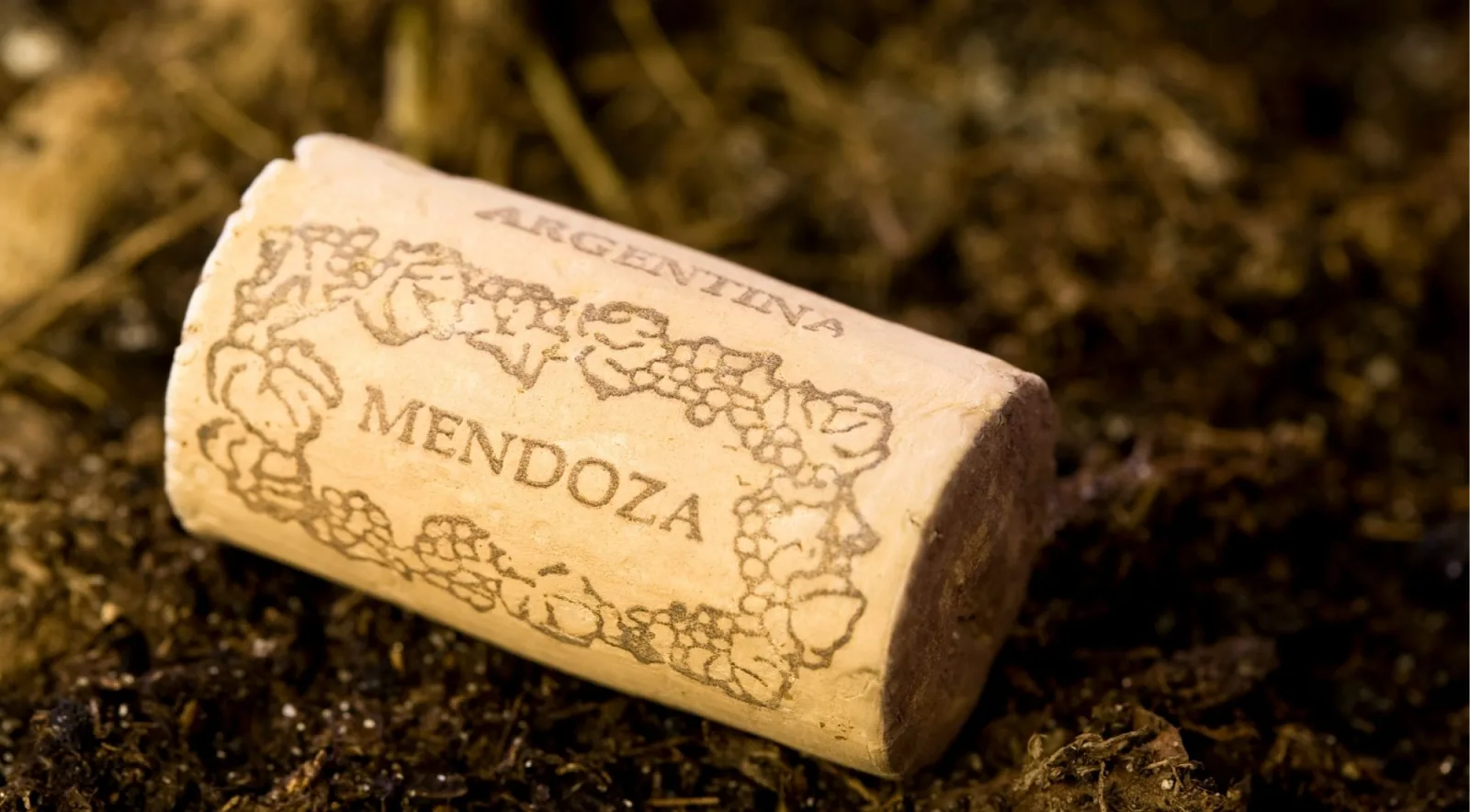
Every guide to Mendoza tells you the Uco Valley is the best region. Most visitors
still have their best afternoon in Maipú, and the reason is that Maipú is the
only district where the maths works in the traveller’s favour.
Nine glasses for thirty-two dollars
That is not a typo and it is not a bait price. The
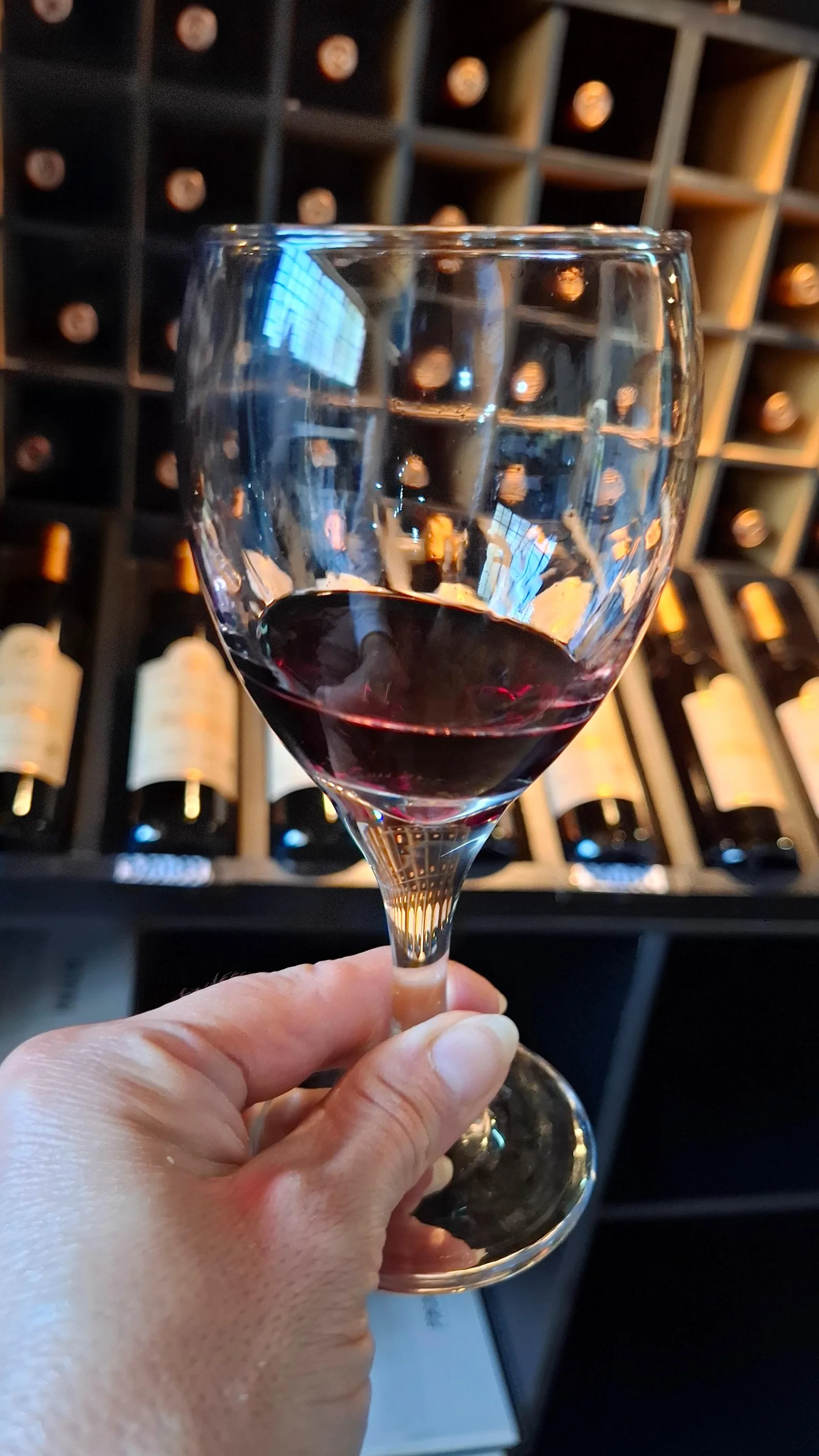
cheapest tour on this site visits three Maipú cellars and an
olive oil mill, pours nine glasses of wine, includes every entry fee and the
round-trip transfer, and runs about six hours. Two others on the same page do
roughly the same thing for $34.
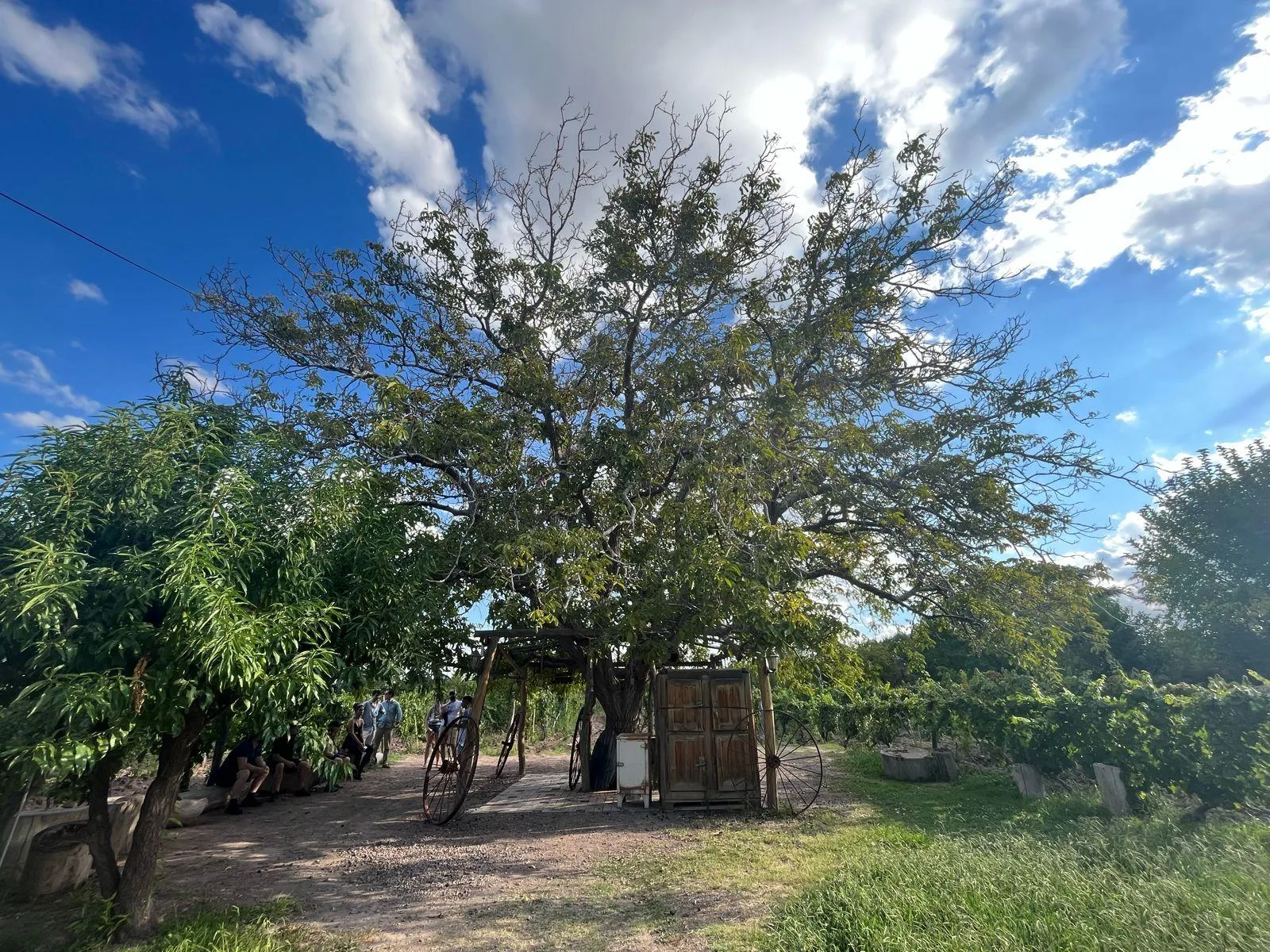
Three things make it possible. The cellars sit close together, so a van does four
visits without spending the day driving — which is exactly what a
Uco Valley day cannot do at ninety minutes each way.
Maipú’s door fees are lower than Luján’s or Uco’s, because these are working
bodegas rather than destination architecture. And competition is fierce: dozens
of operators run near-identical afternoons on the same roads.
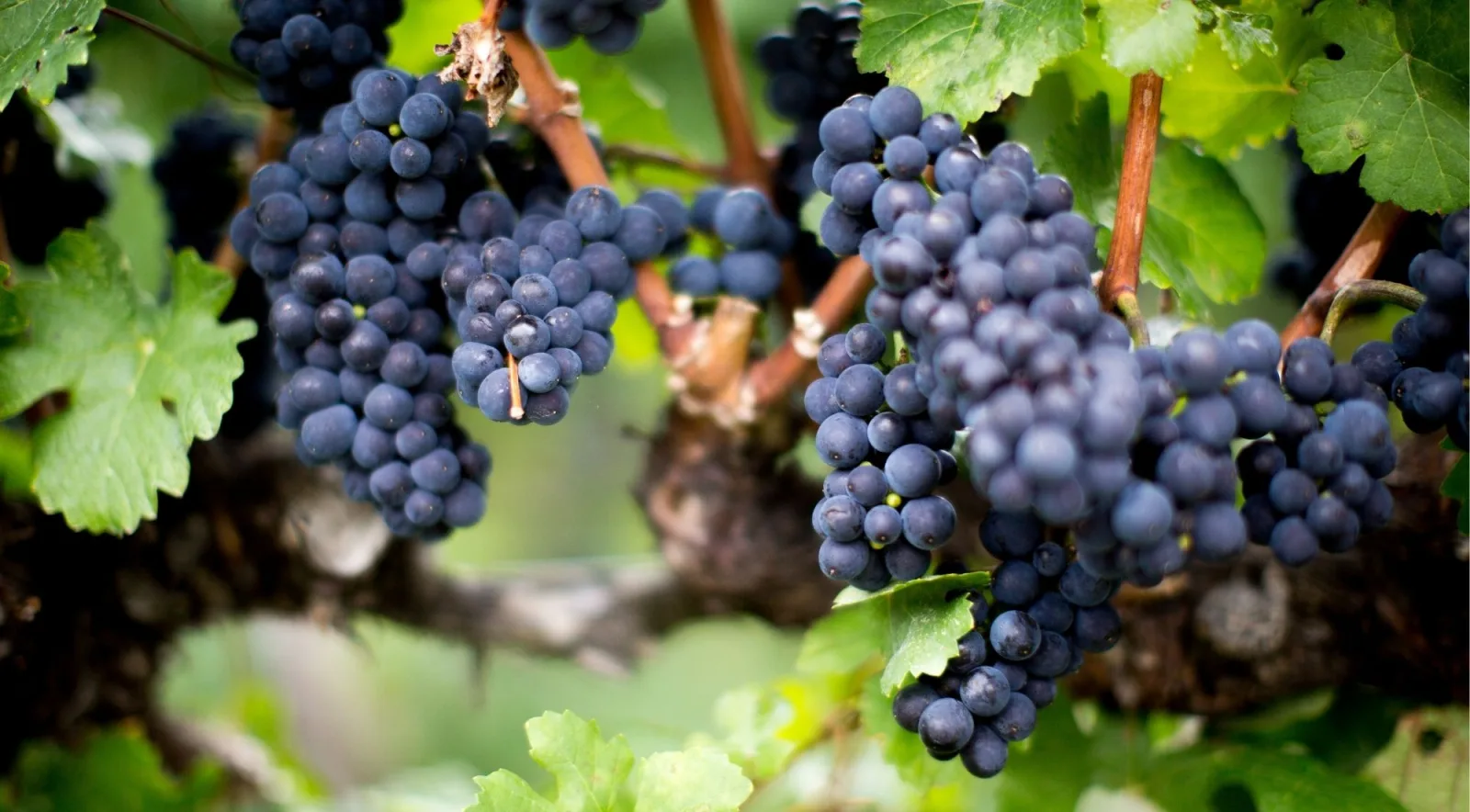
The oldest vines in the province
Maipú is where Mendoza’s wine industry actually started. It is the district the
Spanish and then the Italian and French immigrant families planted first, and
some of the bodegas on the standard itinerary — Familia Cecchín, Bodega López,
Trapiche’s historic cellars, Florio — have been working continuously for over a
century.
That history is why the tours are structured as contrasts rather than as a
progression. A typical afternoon takes you to an artisanal producer working in
concrete and old oak, an industrial-scale operation with stainless tanks, and a
sweet-wine cellar making the fortified and late-harvest styles that were
Argentina’s domestic bread and butter long before Malbec was an export. Nobody
plans that route to impress you. It is simply what is there.
The olive oil is the point, not the padding
Almost every Maipú itinerary includes an olive oil mill, and first-time visitors
often read that as filler. It is not. Our wine and olive oil tasting guide
explains what you taste at the mill and why fresh oil can be bitter.
Mendoza is a desert running on canals the Huarpes dug before the Spanish arrived,
and olives and vines are the two crops that made that irrigated land pay. The
mills here press varietals — arbequina, arauco, frantoio — and the tasting is
bread with new oil, olive paste, olives and chutneys. On a tour that leaves at
2pm and returns at 8pm with no lunch stop, it is also the only food you will be
given.
Bikes: the trap and the fix
Maipú invented the Mendoza bike-and-wine day, and you will see hire advertised
for very little. The version that goes wrong is the one where you rent a bike at
eleven, ride the flat road between cellars, drink at four of them and then have
to get back.
If you want to ride, the
guided bike tour
drives you between the good sections and puts the second half of the day beside a
reservoir in the Andes instead of on a road with traffic. If you just want the
wine, take the van.
Eat before you go
This is the practical warning that matters most on this page, and it is the one
the operators themselves give. Maipú tours are afternoon tours: pickup around
2pm, return around 8pm, nine tastings, no lunch. One operator states it flatly in
its own listing — have lunch before boarding.
If you would rather the meal was built in, that is a different product and a
different page: the wine tours with lunch start in the
morning and finish at a winery table.
Where Maipú fits
Take Maipú when you want the most wine and the most history for the least money,
when you only have half a day free, or when it is your first Mendoza tour and you
want a broad sweep before committing to a region. Take
Luján de Cuyo when you want serious Malbec from
named estates. Take the Uco Valley when you have a
whole day and the landscape matters as much as the glass.