"Excellent value for money. Attentive guide. Punctual pick-up. Recommended."
Cahors · 1853 · Luján de Cuyo · Gualtallary
A French grape that nearly died in France, saved in a desert on the far side of the Andes — and now the reason you are reading this page.
Book Your Experience
Select your preferred date and time. Instant confirmation — free cancellation up to 24 hours before departure.
The Experience
The same grape at three altitudes, which is the only way to understand it.
Four steps, and the order matters more than the wineries.
Maipú and lower Luján sit around 700–950 metres. The Malbec here is round, dark-fruited and soft — the style that made the grape famous on export shelves.
Agrelo, Perdriel and Vistalba climb past 1,000 metres on stonier soils. Same grape, firmer structure, more grip. This is where the serious bottles come from.
At 1,100–1,600 metres the wines turn taut and mineral. If you taste Uco first, everything below it tastes simple — so leave it until last.
The single most useful question you can put to a guide: pour me two Malbecs from the same year at different altitudes. Most will.
Can't Make These Dates?
Find a tour that fits your schedule — all with instant confirmation and free cancellation.
Photo Gallery
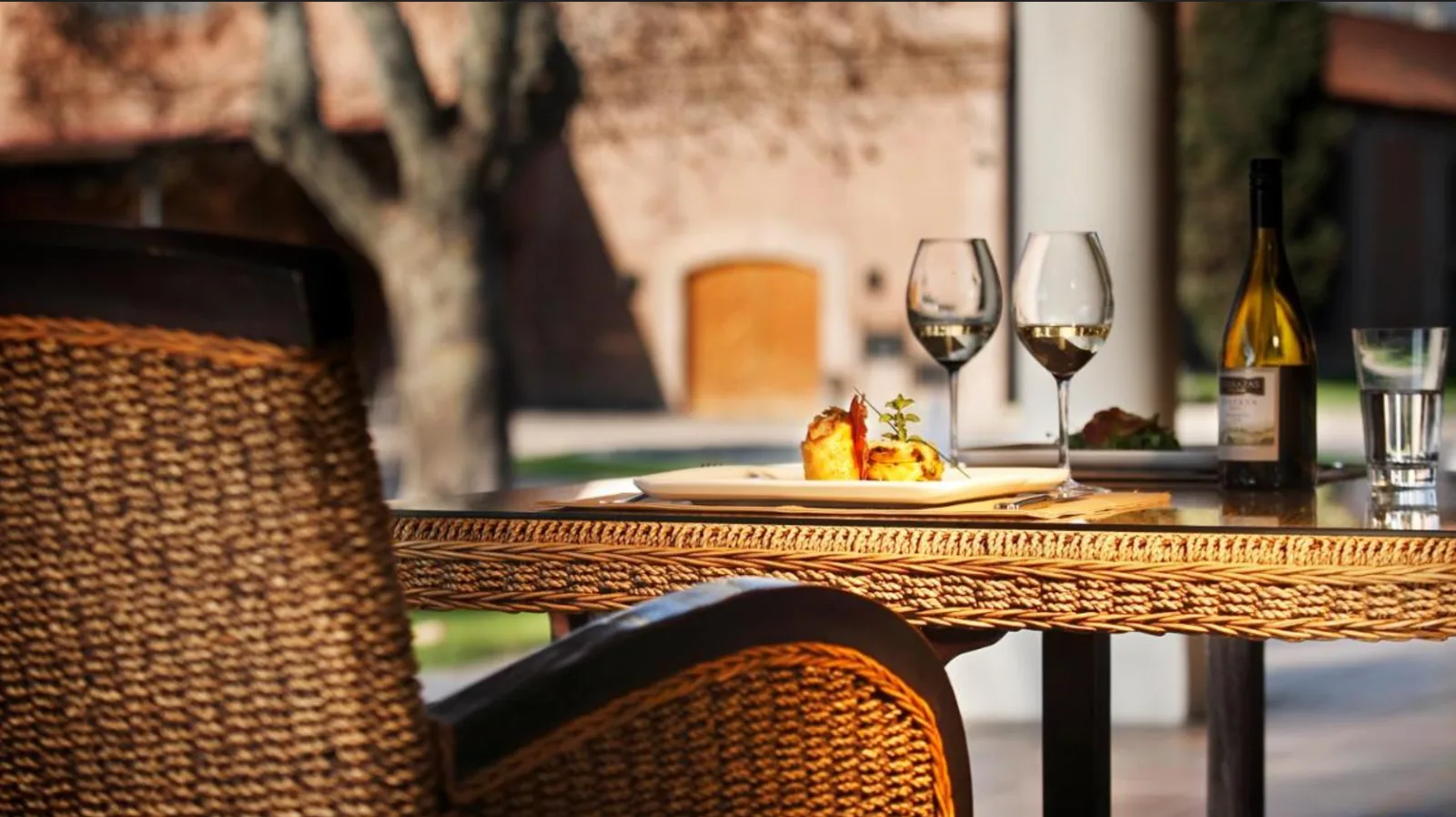
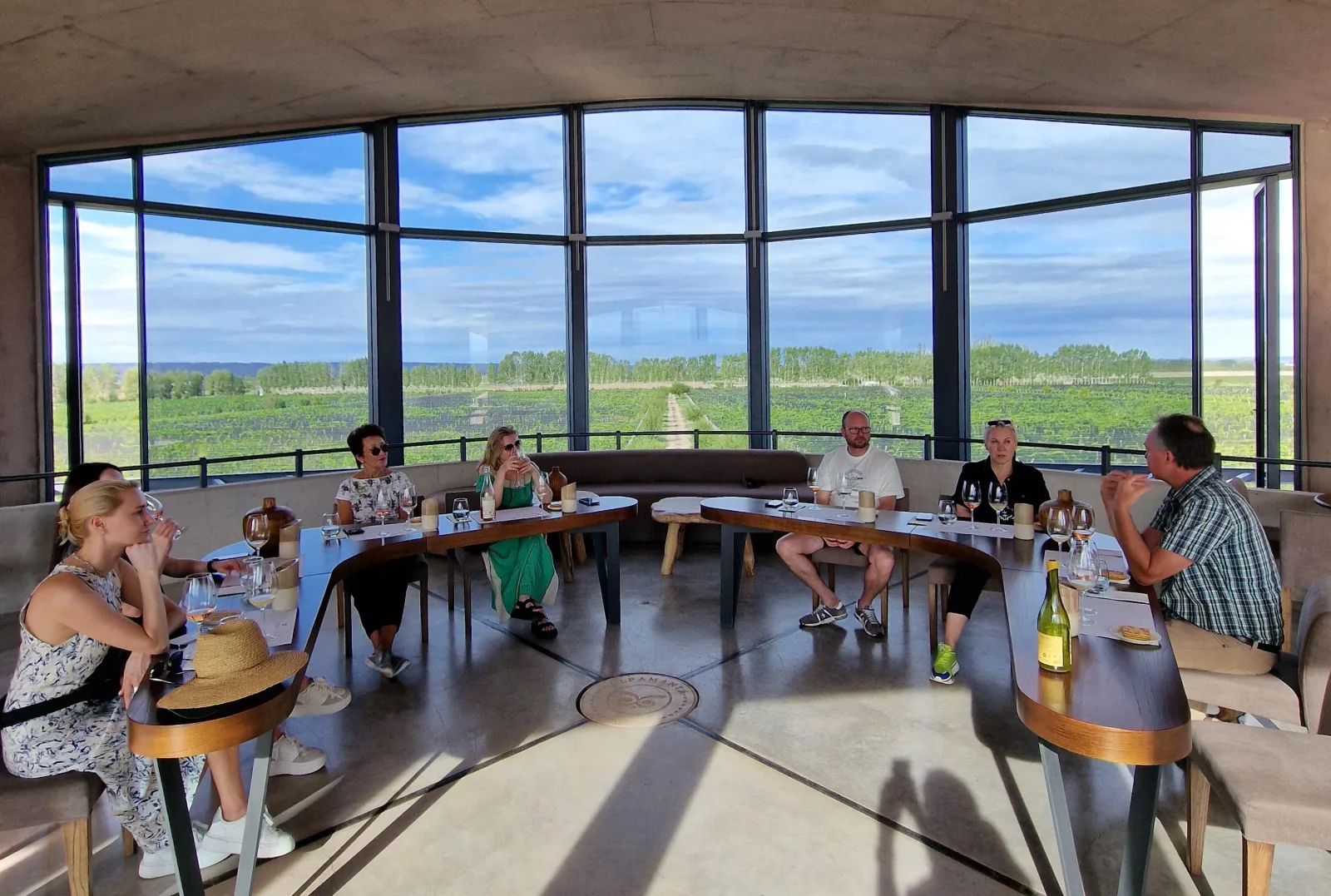
Mendoza's high-desert wine country, from the hail nets to the harvest crates.
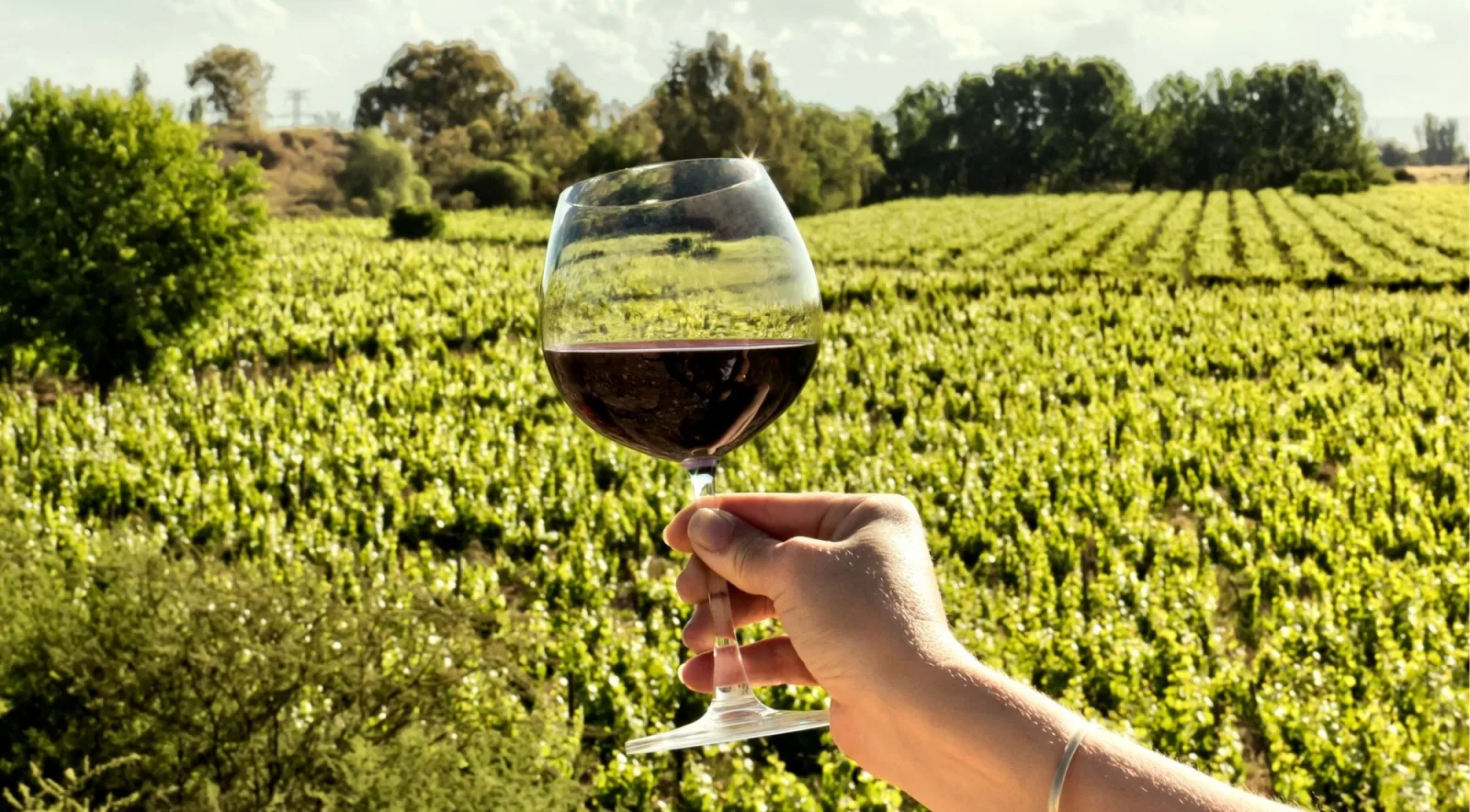
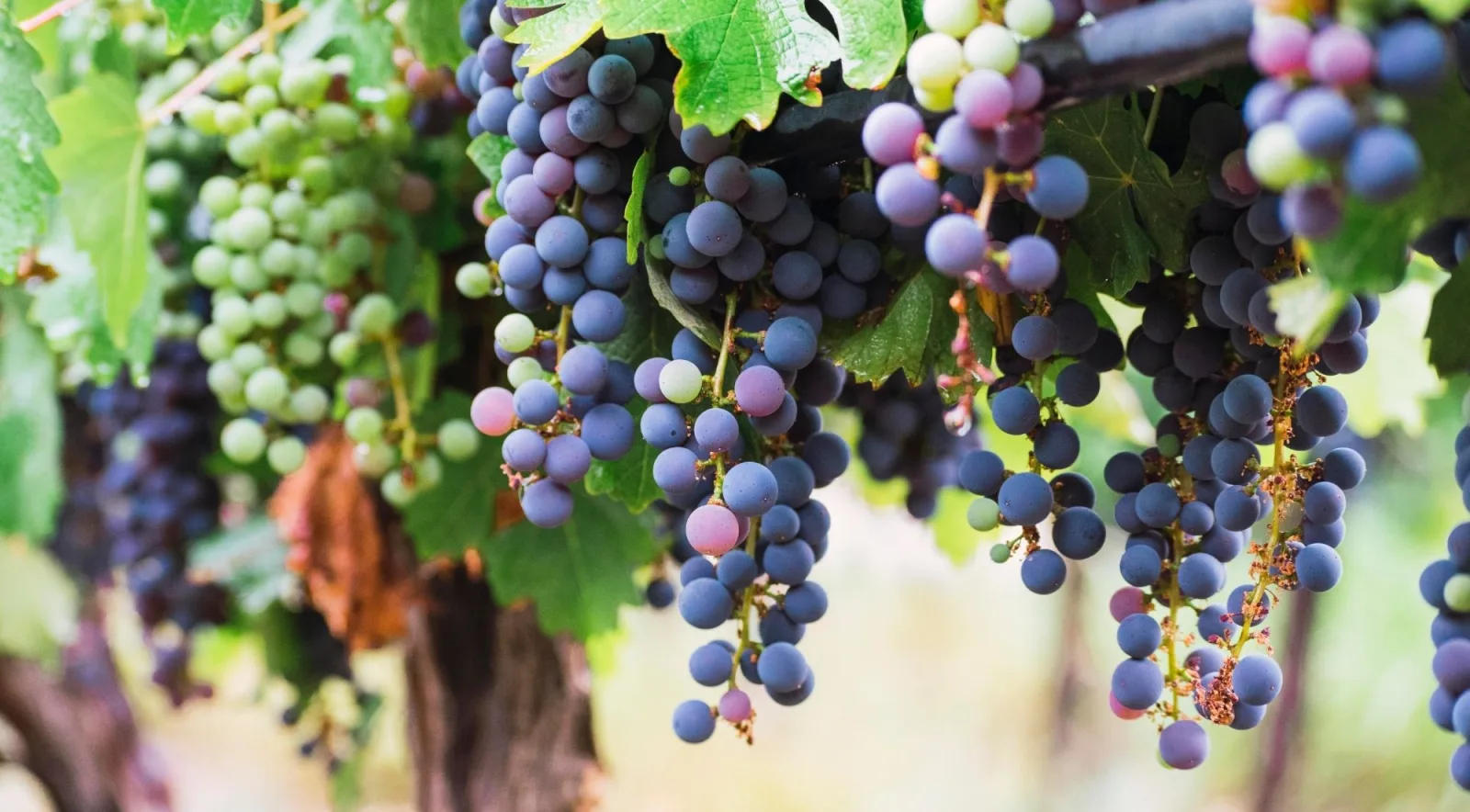
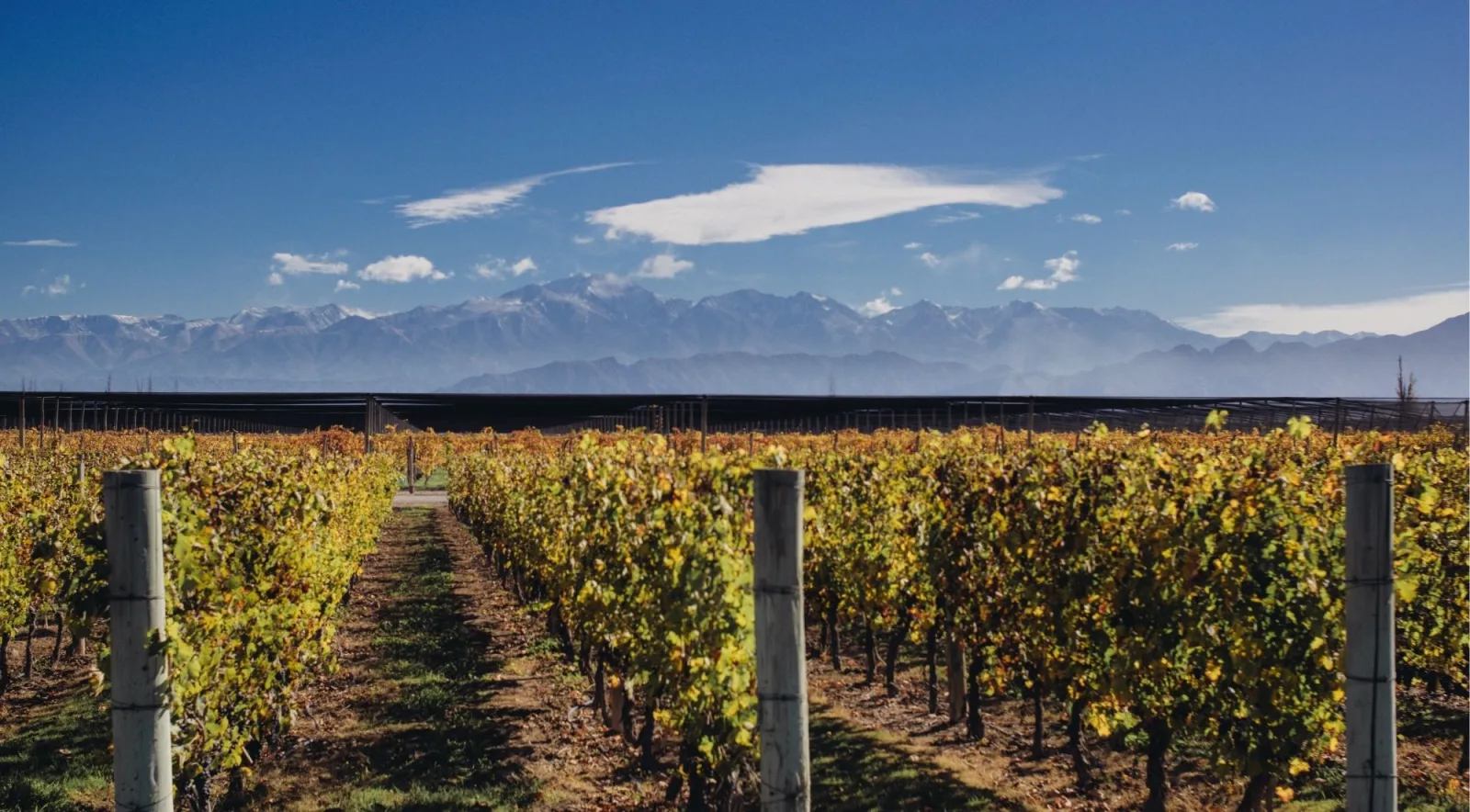
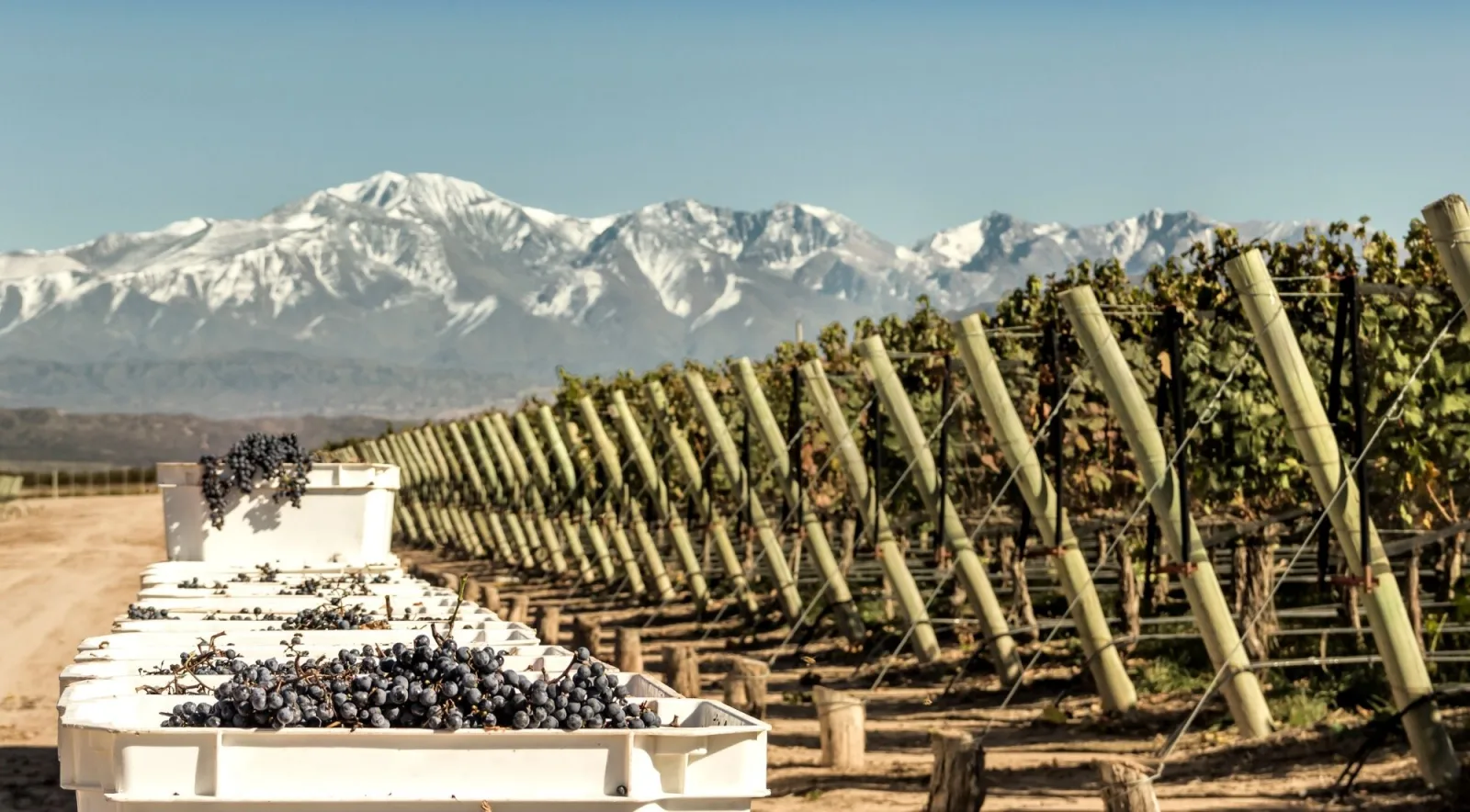
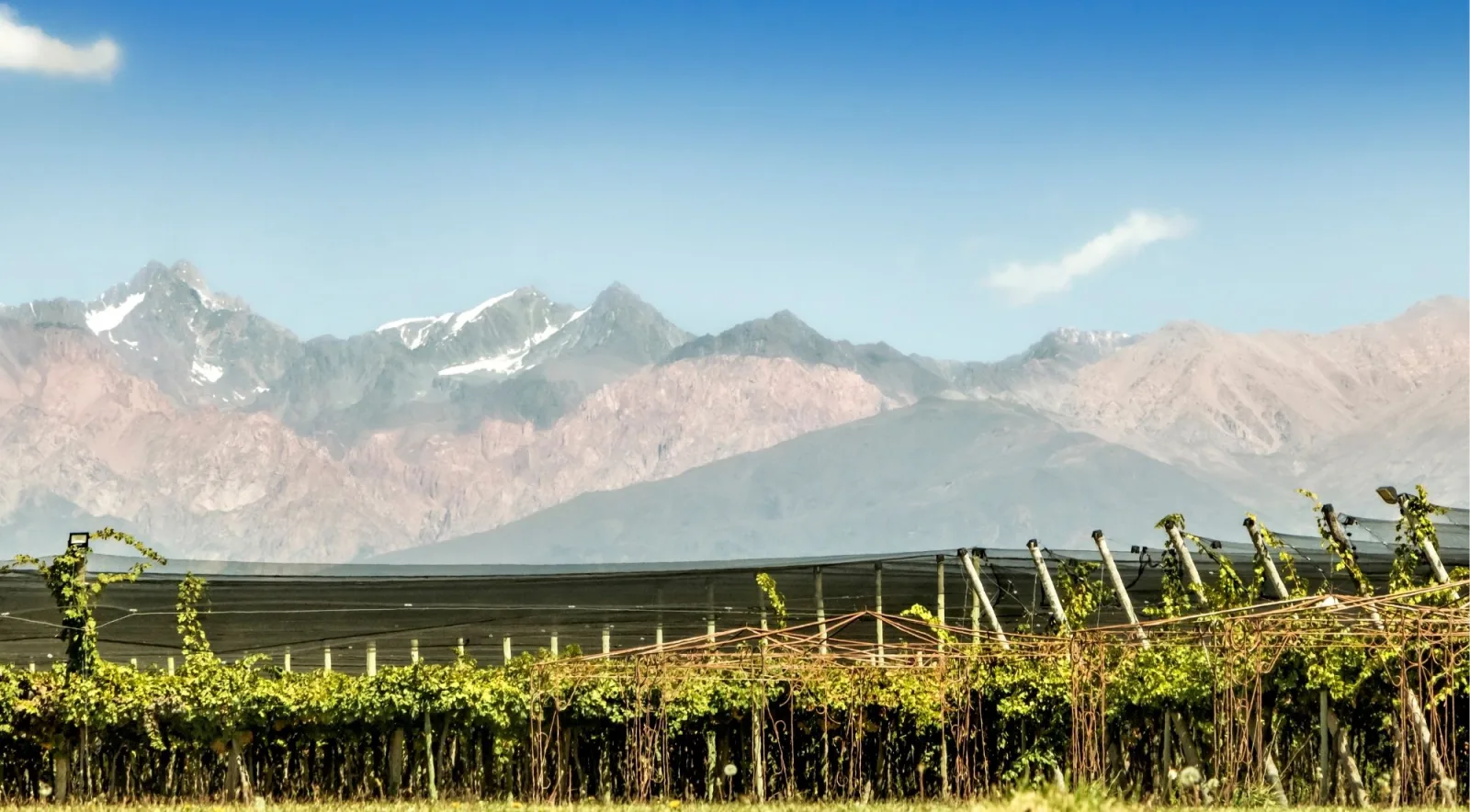
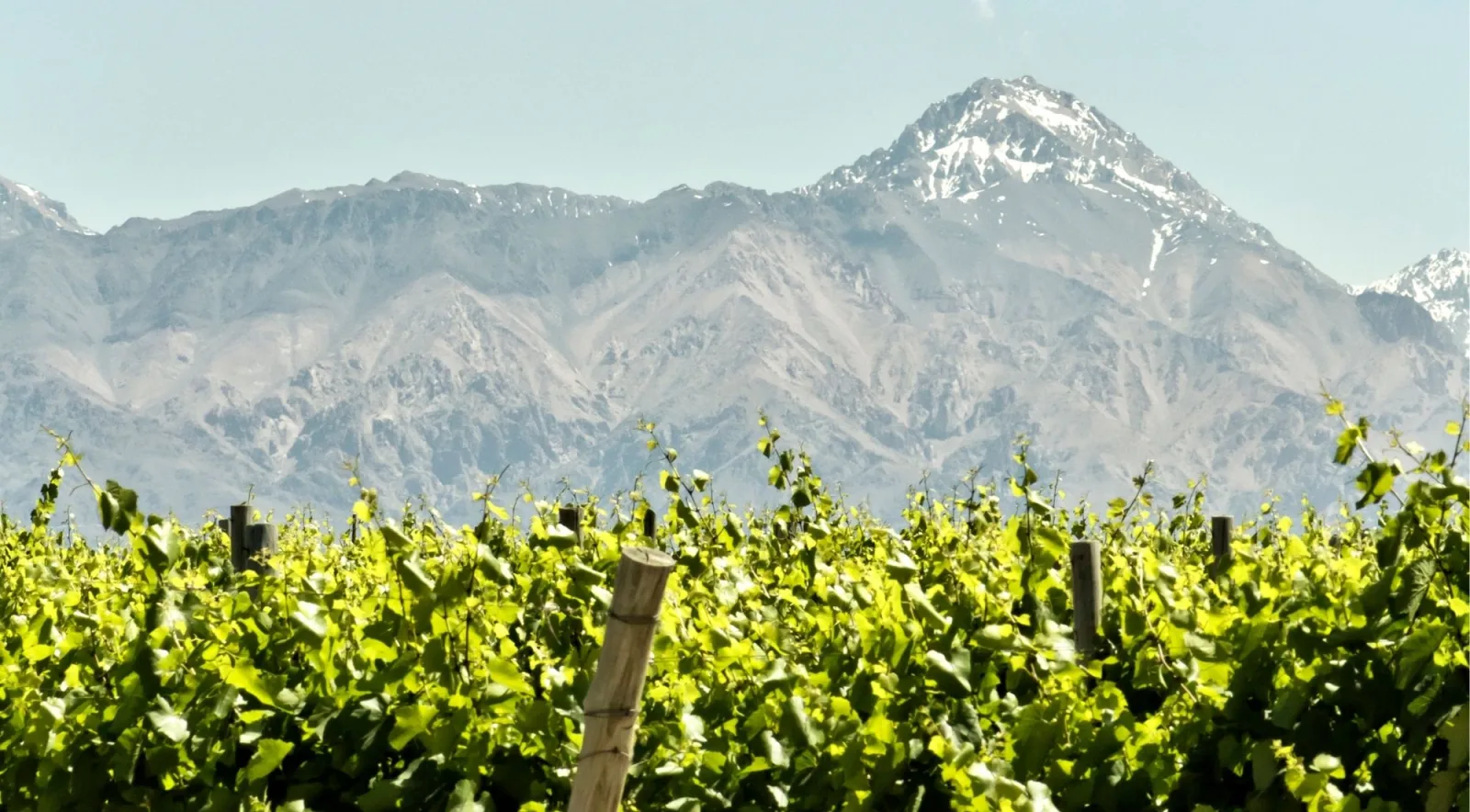
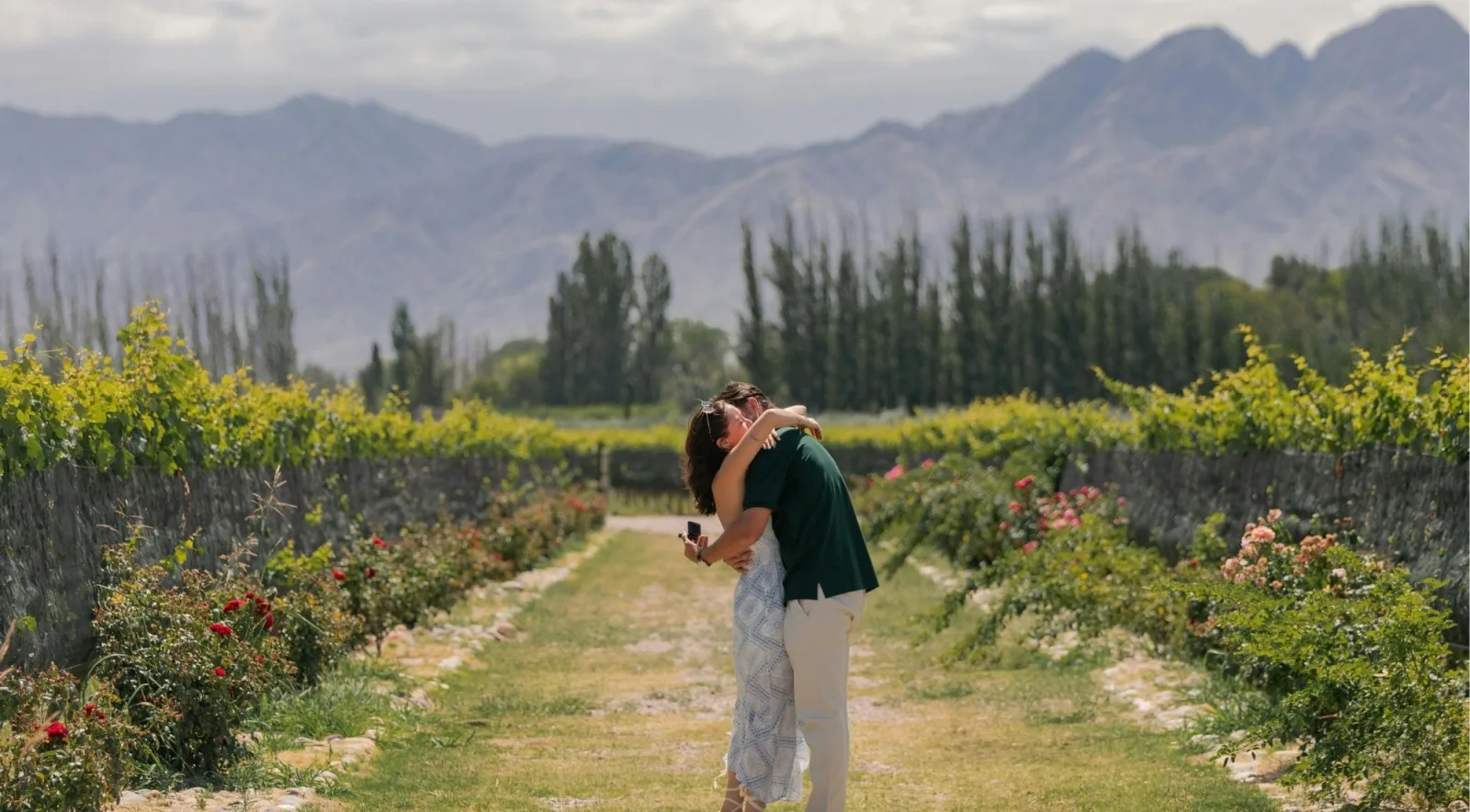
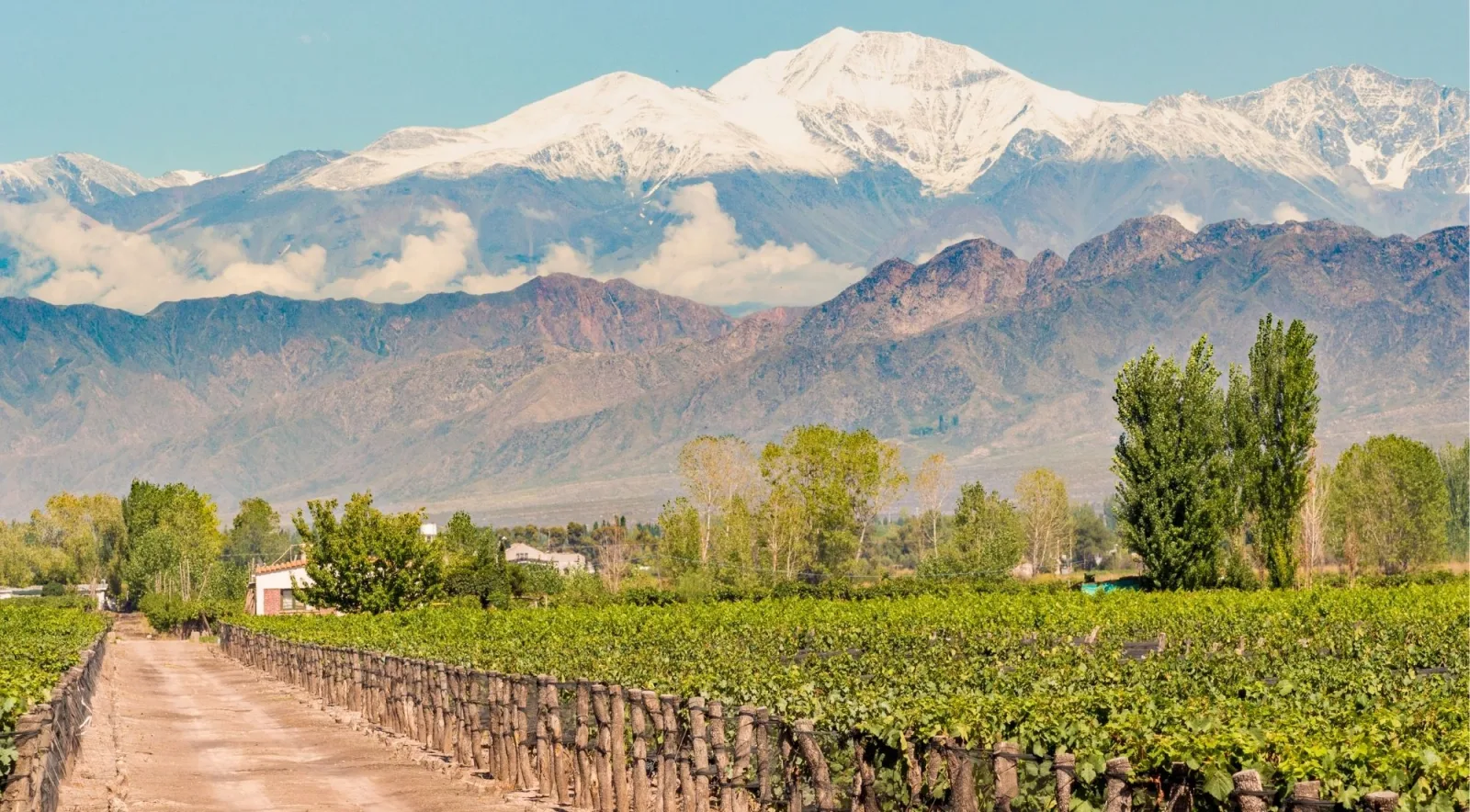
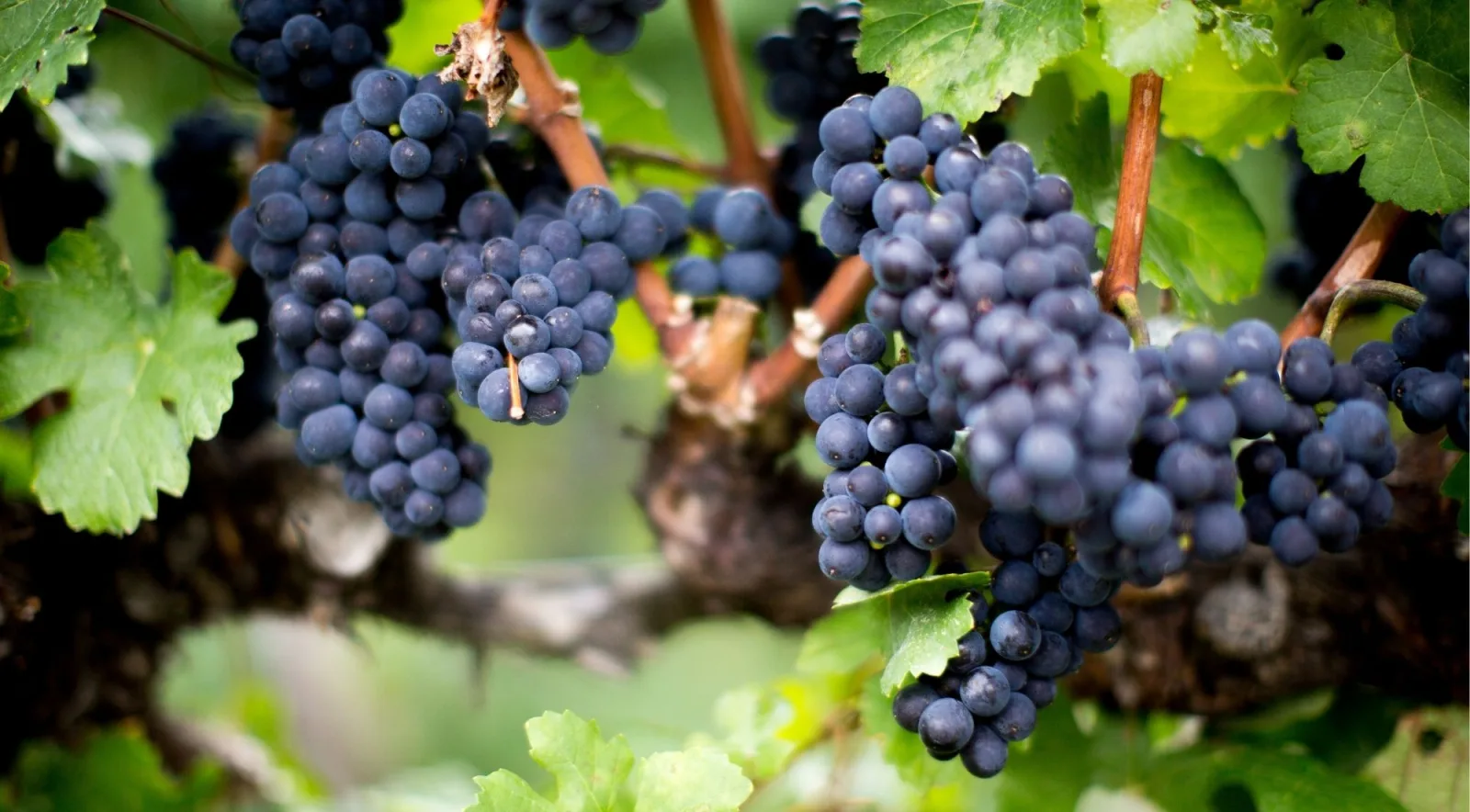
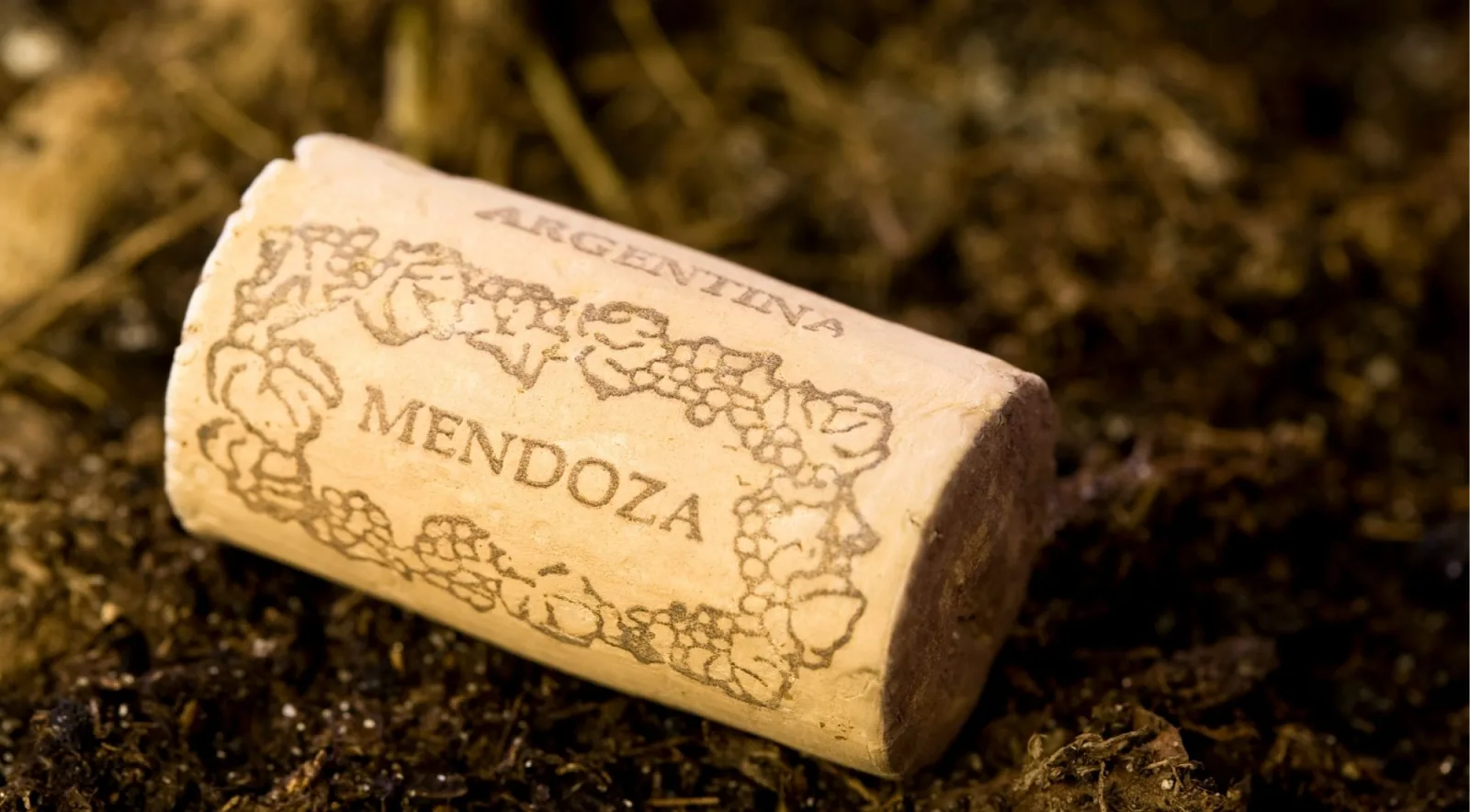
The same grape at three altitudes — and what each costs to reach.
| Feature | Maipú — Volume and History | BEST FOR MALBEC Luján de Cuyo — The Malbec Heartland | Uco Valley — High Altitude |
|---|---|---|---|
| Typical vineyard altitude | 700–950 m | 900–1,100 m | 900–1,600 m |
| Malbec style | Plush, dark-fruited, forgiving | Structured, firm tannin, age-worthy | Taut, mineral, high acid |
| Drive from the city | 30 minutes | 30–40 minutes | 90 minutes |
| Tour price from | $32 | $43 | $375 per group, private |
| Named estates on itinerary | ✗ Rotating pool | ✓ On the premium days | ✓ On the private days |
| Appellation status | Historic, no DOC | First DOC in the Americas, 1989 | Newer, no DOC |
| Taste it | First | Second | Last |
| Best for | Most wine per dollar; the region's history | Malbec taken seriously without a long drive | The ceiling of the grape, if you have a full day |
| Browse Maipú Tours | Check Availability | View Options |
More Options
Eight tours across the three regions and every price point, from a $32 Maipú minibus to a private Uco Valley day.
 LOWEST PRICE
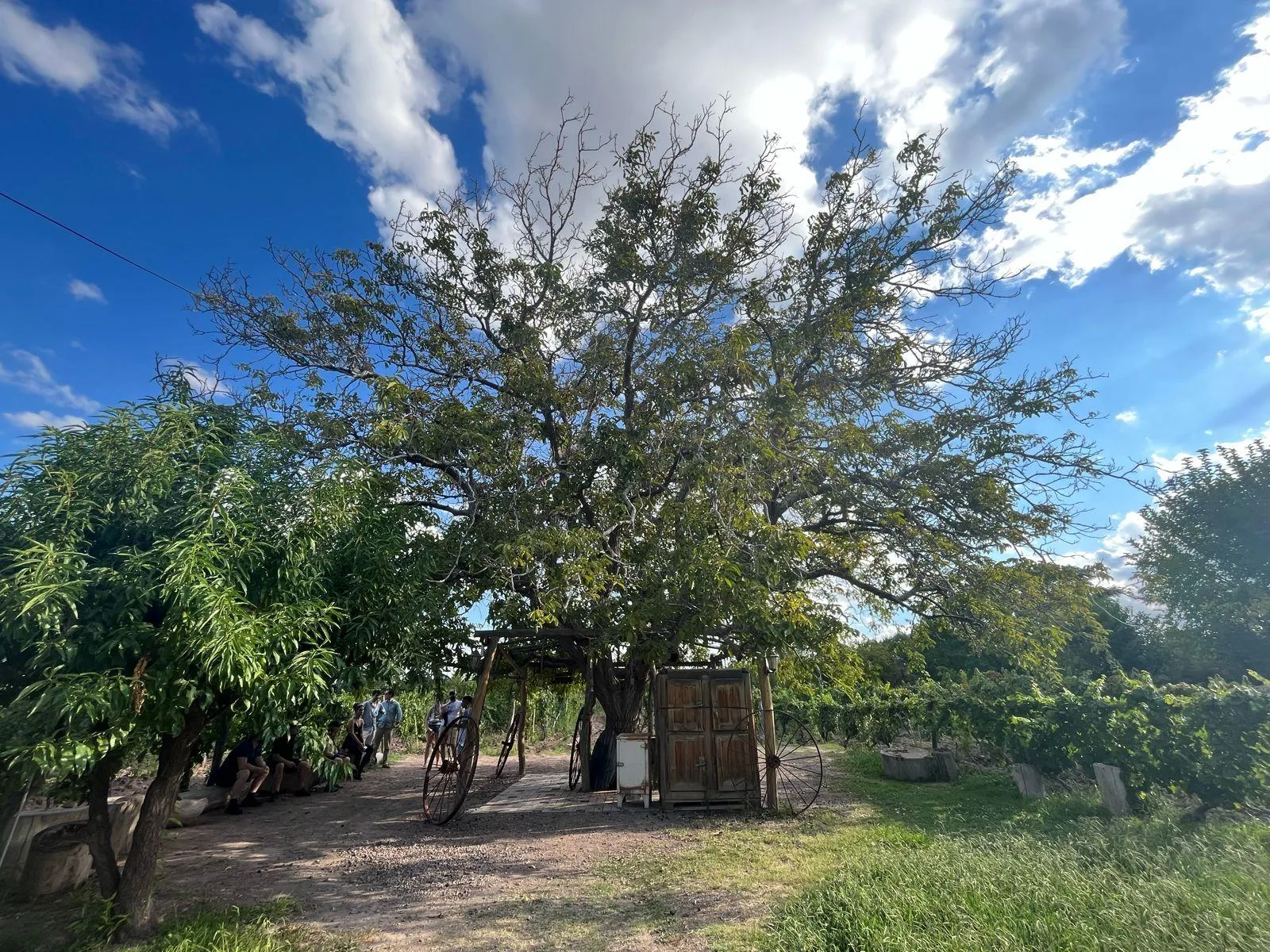 MOST REVIEWED
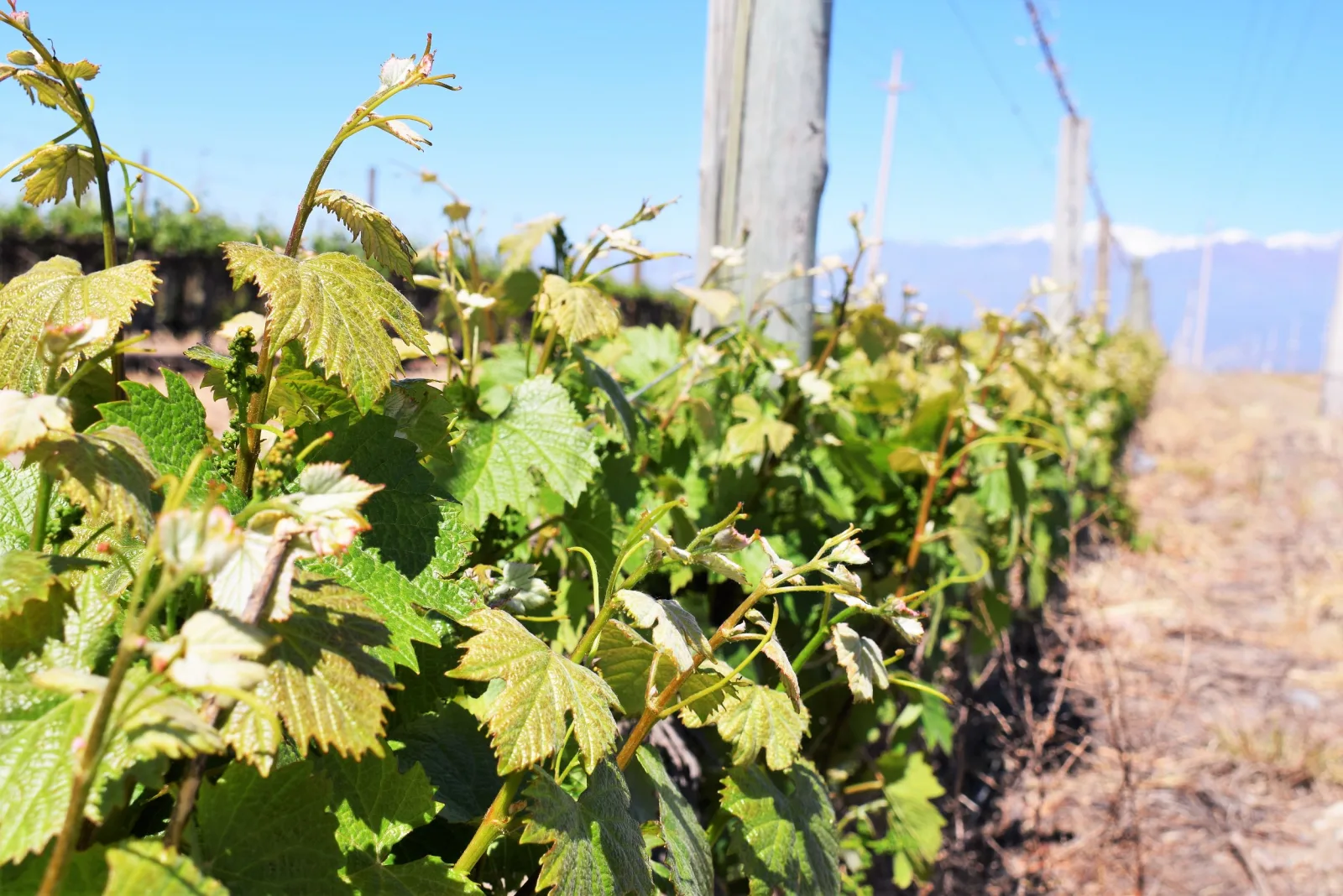 HALF DAY
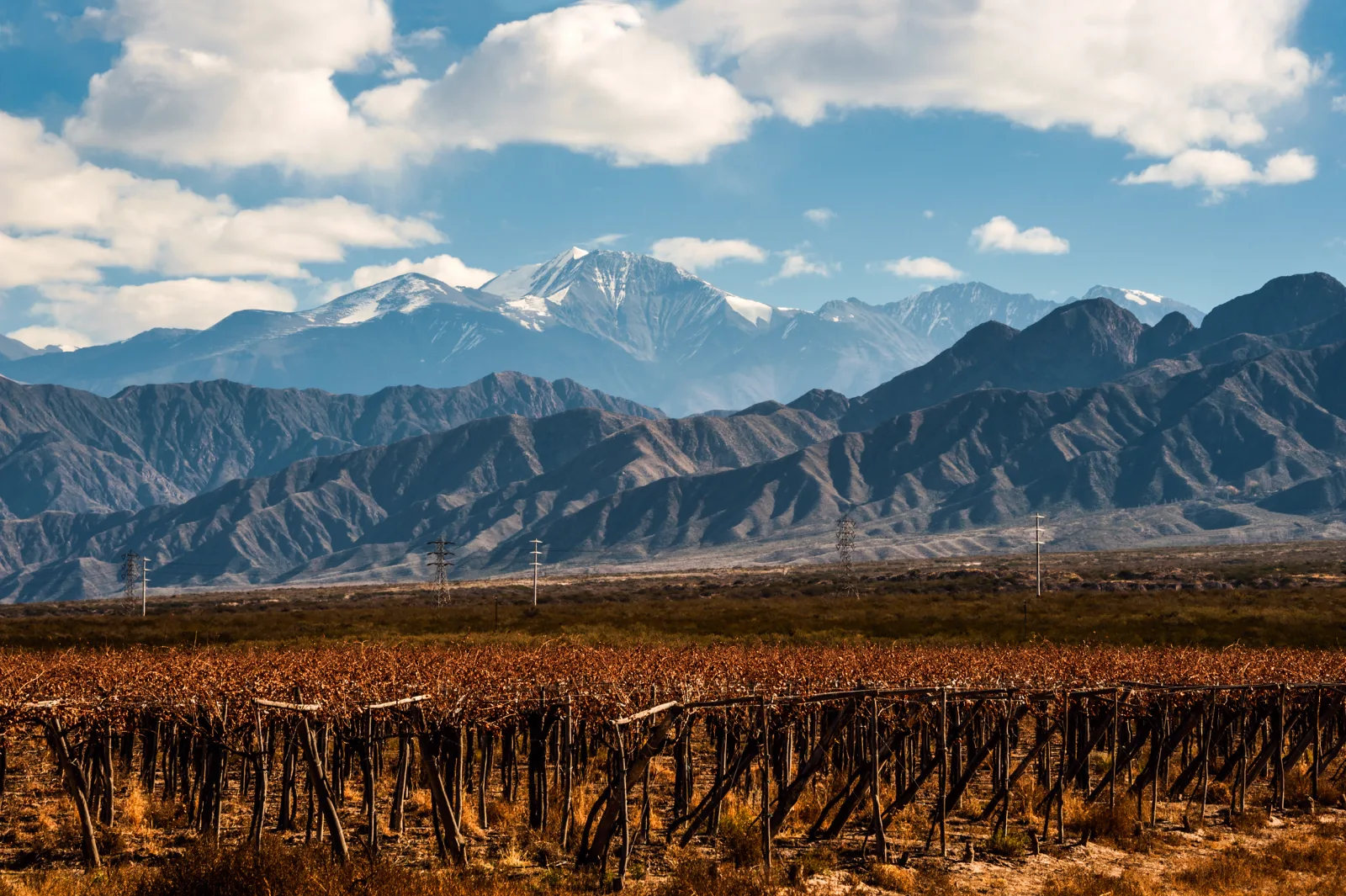 FULL DAY & LUNCH
 SEMI-PRIVATE
 BY BIKE
 LUJÁN DE CUYO
 PRIVATE UCO VALLEY
One Grape, Two Continents
It came in a crate in 1853, was nearly abandoned in the 1980s, and now defines a country's wine.
Malbec is not an Argentine grape. It is a French one that Argentina kept when France largely stopped bothering, and the story of how that happened is the most useful thing a guide can tell you before the first glass.
In April 1853 the French agronomist Michel Aimé Pouget — brought to Mendoza at the urging of Domingo Faustino Sarmiento — put a proposal to the provincial legislature to found a Quinta Normal and agricultural school. It was approved that September. Pouget arrived with cuttings of a number of French varieties, and among them was Malbec, known at home as Côt or Auxerrois.
The first vines went into the ground in what is now Mendoza’s General San Martín Park. Wines of Argentina later chose 17 April, the date of that founding, as World Malbec Day.
In France the grape’s story went the other way. Malbec was a Bordeaux blending variety and the dominant grape of Cahors, and between phylloxera and later frost damage it lost most of its French acreage and was never fully replanted. The variety survived best in the place it had been taken to as an afterthought.
By the 1980s Malbec was in trouble in Mendoza too. Growers were pulling it out and replanting with higher-yielding vines or with internationally recognisable varieties, because Malbec did not command a price.
What stopped the slide was, in large part, the creation of the Luján de Cuyo DOC in 1989 — Argentina’s first appellation and the first on the American continent, established specifically to protect the grape at exactly the moment it was being abandoned. The first DOC-certified bottle followed in 1991.
Everything you can now buy — the $9 supermarket bottle and the $200 single-parcel one — descends from that decision.
Here is the thing most tours do not make explicit, and the thing worth structuring your day around: Mendoza Malbec is not one wine.
Down at 700 to 950 metres in Maipú and lower Luján, the fruit ripens warm and full. The wines are plush, dark-fruited and forgiving — the recognisable international style.
Climb the alluvial fan to Agrelo, Perdriel and Vistalba at 900 to 1,100 metres and the soils get stonier and the wines get firmer, with real tannin structure underneath the fruit.
Go up again into the Uco Valley — 900 to 1,500 metres, with Gualtallary reaching close to 1,600 — and the mountain air pulls the heat out of the night. The grapes hang longer and keep their acid, and the wine arrives taut, mineral and much less sweet-tasting than the label price suggests.
Three glasses across that range teaches you more than a dozen within one district. If your tour visits only one region, ask the guide for two Malbecs from the same vintage grown at different heights. Most cellars have them.
Almost every wine tour in Mendoza pours Malbec, so the question is not whether but how well. The half-day tour featured here is the highest volume option — 743 reviews, two working cellars in Luján de Cuyo or Maipú with enologists guiding, and an olive oil mill, for $43. It is an efficient introduction rather than a boutique day, and its 4.3 rating reflects exactly that.
For Malbec taken seriously, the Luján de Cuyo premium day visits Achaval-Ferrer — one of the producers most responsible for the modern reputation of Argentine Malbec — alongside a small organic family cellar, with a paired lunch.
For the high-altitude expression, take a Uco Valley day and accept the three hours of driving that come with it.
Ask for a rosé of Malbec at some point. It is common domestically, almost never exported, and it shows you the grape’s acid structure with the tannin stripped away — which makes the reds you drink afterwards easier to read.
Guest Reviews
Ratings and review counts are the tour operators' live figures on GetYourGuide and may shift slightly day to day.
"Excellent value for money. Attentive guide. Punctual pick-up. Recommended."
"Excellent tour combining two vineyards and an olive oil producer's farm. The live guide provided very good explanations about the background of these productions, and our driver drove us well in a very comfortable minibus. I recommend it!!"
"Great tour for an even better price. Our guide Marta was lovely and we learnt a lot in the time spent at the two vineyards. They even accommodated us when we were the only English speaking guests. If anything felt like we had privates tours ! Thanks"


"Mika our guide was brilliant and the group was really friendly. Mikas English is excellent but she helped us practice our spainish too. we had a really fun as well as informative afternoon."

"The guide was lovely and it was so nice she spoke in English aswell as Spanish for us who needed it! The tours included nice wines and olive oils and the driver was good, it was nice that they were flexible for where people needed to be dropped too."
"Everything was excellent. Very friendly and knowledgeable professional guide. Very good driver. Thank-you!"
"Tour was great! They accommodated English speakers really well."
"We had a really good time on the wine and olive oil trip"
Read all 743 verified reviews
See All ReviewsJoin 1,300+ guests who rated our top pick 4.7/5. Three Maipú wineries and an olive oil mill, every tasting and entry fee included, hotel pickup, and a driver for the road back. Free cancellation. Starting from $43 per person.
Check Availability & BookWhere the grape grows, how altitude changes it, and which tour pours it best.
Luján de Cuyo for the historic, structured style and the serious producers, and the Uco Valley for the high-altitude, taut, mineral expression. Maipú pours plenty of Malbec too, but it is where you learn the region rather than the grape's ceiling.
No. It is a French variety, known there as Côt or Auxerrois, and it was the dominant grape of Cahors and a Bordeaux blending component. It arrived in Mendoza in 1853 with the French agronomist Michel Aimé Pouget, brought over at the urging of Domingo Faustino Sarmiento to found a Quinta Normal and agricultural school. In France the variety lost most of its acreage to phylloxera and later frost damage and was never fully replanted.
Because that is the date in 1853 when Pouget's Quinta Normal project was founded in Mendoza — the moment the grape formally arrived in Argentina. Wines of Argentina chose it in 2011, and it is now marked in more than seventy countries.
Yes, and it is the most useful thing to structure a tasting day around. At 700 to 950 metres in Maipú the wines are plush and dark-fruited. At 900 to 1,100 metres in Agrelo, Perdriel and Vistalba they get firmer and more structured. In the Uco Valley at 1,100 to 1,600 metres the cold nights preserve acidity and the wine turns taut and mineral. Ask for two Malbecs from the same vintage grown at different heights — most cellars have them.
Last. High-altitude Uco Malbec has enough acid and grip that everything below it tastes simple afterwards. Working upward — Maipú, then Luján, then Uco — makes the differences legible instead of flattening them.
Through the 1970s and 1980s it did not command a price, so growers were pulling it out and replanting with higher-yielding vines or with internationally recognisable varieties like Cabernet Sauvignon. The creation of the Luján de Cuyo DOC in 1989, specifically to protect the grape, is a large part of why that reversed.
For volume and value, the Maipú afternoon at $32 pours nine glasses. For Malbec taken seriously, the Luján premium day visits Achaval-Ferrer — one of the producers most responsible for the modern reputation of Argentine Malbec — alongside a small organic family cellar, with a paired lunch.
Beef, and it is not a cliché — the tannin structure is built for it. On winery lunches you will meet empanadas, provoleta and asado cuts, and the pairings are usually the estate's own suggestion rather than a sommelier's flourish. Our lunch tours build the meal in properly.
Yes. Ask for a rosé of Malbec — common domestically, almost never exported, and it shows the grape's acid structure with the tannin stripped away. Bonarda is Argentina's second red and is often better value. Torrontés, Cabernet Franc and increasingly Rhône varieties in the Uco Valley are all worth a glass. Our guide to the best Argentinian wines to try in Mendoza covers each grape.
On the tours listed here, nothing extra — entry fees and tastings are in the ticket on everything from $32 upwards, with the exception of some top-end private days where winery fees are paid directly. Visiting independently, door fees vary widely by estate. The prices guide sets out what each tier includes.
Still have questions? Email us at info@mendozawinetastingtours.com
Keep Exploring
Every Mendoza wine tour and planning guide on this site, in one place.